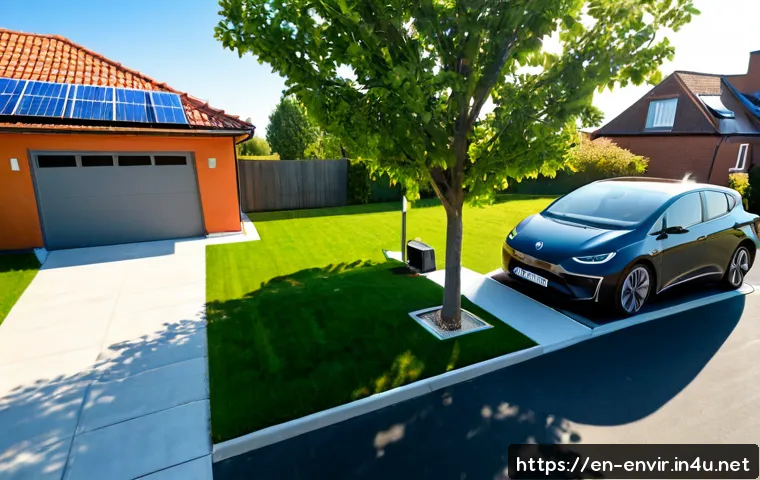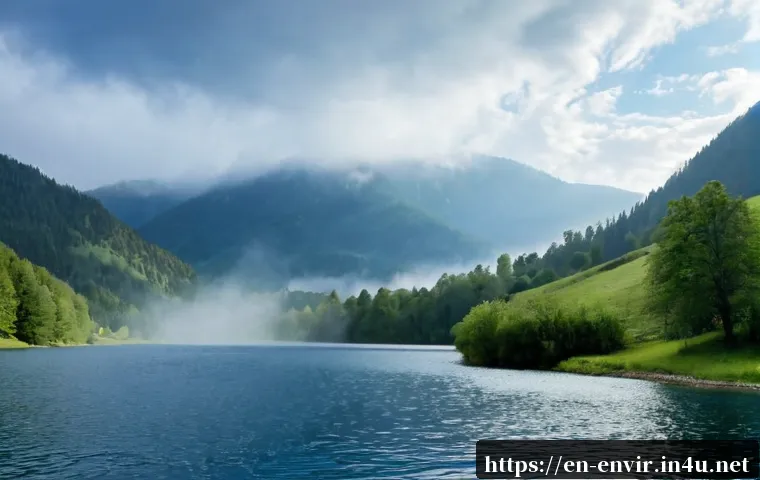
The water cycle explains how water moves through the environment, while water management helps people guide that movement more responsibly on a property.
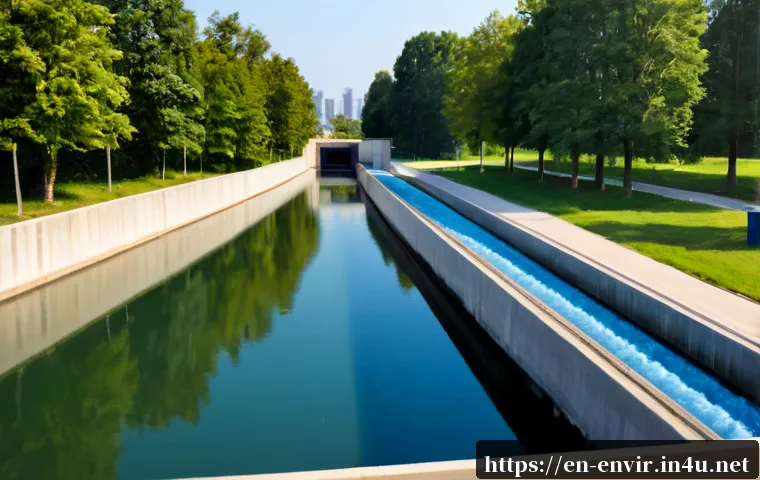
Simple conservation habits are often enough for everyday use, but persistent leaks, runoff, drainage issues, or high irrigation needs may justify monitoring, storage, or professional services.
Solar energy causes water to evaporate, atmospheric conditions allow vapor to condense into clouds, and precipitation returns water to land and water bodies.
What happens next depends partly on soil, plants, roofs, pavement, drains, and maintenance choices. Understanding these connections can help homeowners, renters, gardens, and small properties reduce avoidable waste and protect local water quality.
Before buying equipment, compare site conditions, maintenance demands, local rules, and the type of water problem you are trying to solve.
Quick Overview
- Water is always moving: it evaporates, condenses, falls as precipitation, infiltrates soil, or becomes runoff.
- Property surfaces change the path: roofs and pavement generally increase runoff, while vegetation can slow it and support infiltration.
- Start with the simplest solution: conserve water first, then compare monitoring, drainage, irrigation, or rainwater storage options if needed.
| Option | Best Starting Point | What to Compare | Main Check Before Choosing |
|---|---|---|---|
| Manual conservation habits | Every home, rental, garden, or small site | Daily effort, watering habits, visible leaks | Whether simple changes address the actual waste |
| Smart irrigation controls | Properties with regular landscape watering | Compatibility, programming, weather and plant needs | Whether the irrigation layout and watering schedule are suitable |
| Leak monitoring | Unexplained water use or recurring plumbing concerns | Monitoring method, alerts, installation access | Whether a qualified inspection is needed first |
| Rain barrels | Small-scale roof runoff collection | Roof access, storage location, maintenance, local rules | Whether collection is permitted and practical on the site |
| Larger rainwater systems | Properties with more complex storage or reuse goals | Plumbing access, treatment, maintenance, compliance | Whether site conditions and local requirements support installation |
How Water Moves Through Natural and Built Environments
Evaporation, Condensation, Precipitation, and Collection in Plain Language
The water cycle begins with energy from the sun. Solar energy drives evaporation from oceans, lakes, soil, and plant surfaces. Water vapor can cool and condense into clouds when atmospheric conditions allow. Then precipitation may fall as rain, snow, sleet, or hail, depending on temperature conditions.
After precipitation reaches the ground, it does not follow only one route. Some water can soak into soil, while some flows across the surface. For a property owner, this is the practical question: does water have a safe place to go, or is it collecting near buildings, paved areas, or planting beds?
Where Groundwater, Plants, Rivers, and Oceans Fit Into the System
Some precipitation infiltrates soil and may recharge groundwater. Other water becomes surface runoff, moving toward streams, rivers, lakes, wetlands, and oceans. Vegetation affects both paths. Plants release water through transpiration, and their presence can slow runoff across the landscape.
This is why a garden, lawn, planted area, roof, driveway, and drain should not be treated as separate systems. They all influence where water goes after rainfall or irrigation. A site with more impermeable surfaces, such as roofs and roads, generally has more runoff and less infiltration.
Three Key Points to Remember
- Water is constantly moving between land, air, plants, and water bodies.
- Local landscapes change its path, especially where pavement, roofs, soil, and vegetation meet.
- Human choices affect water quality and availability, including watering practices, drainage decisions, and how runoff is handled.
From Rainfall to Tap, Drain, or Garden: Why Water Management Matters
How Roofs, Pavement, Lawns, and Drains Alter Infiltration and Runoff
Roofs and paved areas often move water quickly toward gutters, drains, and lower parts of a property. Because these surfaces are impermeable, they generally increase runoff and reduce the amount of water that can soak into the ground. Lawns and planted areas may allow more infiltration, although site conditions still matter.
A water-management plan looks at the route water takes from rainfall, outdoor watering, and indoor use. It may include conservation, drainage, storage, treatment, monitoring, and protection of water quality. The goal is not simply to move water away quickly. It is to direct it carefully and avoid creating standing water, erosion, or polluted runoff.
The Difference Between Conservation, Stormwater Management, and Water Quality Protection
Water conservation focuses on reducing unnecessary use. Examples include checking for leaks and avoiding irrigation that does not match plant or weather conditions. Stormwater management focuses on rainfall and runoff, especially where water flows across roofs, pavement, and landscaped surfaces.
Water quality protection focuses on what enters runoff. Water moving into a storm drain can carry materials from hard surfaces toward local waterways. Keeping pollutants out of runoff is an important part of responsible property care.
Low-Cost Habits Versus Equipment and Professional Assessment
Start with actions that are easy to observe and maintain. Check visible plumbing concerns, review irrigation timing, and notice where water collects after rain. These steps may be more appropriate than purchasing equipment immediately.
Equipment becomes worth comparing when there is a clear purpose. A leak sensor may be relevant when water use is difficult to track. A smart irrigation controller may be useful where regular landscape watering needs closer control. Rain barrels and larger rainwater harvesting systems require careful consideration of roof access, storage location, maintenance, plumbing, and local approval. For drainage concerns, a qualified site review may be more useful than guessing at a solution.
Practical Water-Saving and Runoff-Control Steps
Check for Leaks, Adjust Irrigation, and Match Watering to Conditions
Begin with the most direct questions. Is water appearing where it should not? Is irrigation running when plants do not appear to need it? Are watering practices matched to weather and plant conditions? These checks support conservation without requiring a major installation.
If irrigation is used regularly, compare manual adjustment with irrigation controls that match your system and maintenance capacity. A controller is not a substitute for reviewing the irrigation layout, plant needs, or signs of overwatering. Good scheduling and observation remain central to water conservation.
Use Mulch, Climate-Suitable Plants, and Permeable Landscape Features Where Appropriate
Vegetation can slow runoff, and landscape choices can support a more manageable water path. Mulch and plants that suit local climate conditions may be useful considerations for gardens and planted areas. Permeable landscape features may also be worth exploring where appropriate for the site.
Do not assume that one landscape approach works everywhere. Soil conditions, slope, existing drainage, and local requirements can affect what is suitable. When water repeatedly pools or causes erosion, treat that as a reason to assess the drainage path rather than simply adding more plants or material.
Direct Runoff Carefully and Avoid Sending Pollutants Into Storm Drains
Runoff should be directed with care. Water flowing from roofs, driveways, or paved areas can move quickly toward drains and waterways. Keep potential pollutants away from places where rain can carry them into storm drains.
For rainwater collection, inspect how water moves from the roof to the storage area and how overflow would be handled. A rain barrel is not just a container; it is part of a runoff path that needs regular attention. If filtration is being considered, confirm the intended use, maintenance requirements, and whether water-quality testing or professional advice is needed.
Common Mistakes That Increase Water Waste or Property Risk
Overwatering and Watering at Inefficient Times
Overwatering can waste water and make it harder to understand what plants actually need. A fixed routine may not fit changing weather or plant conditions. Review irrigation regularly rather than treating a schedule as permanent.
Smart irrigation controls can be useful tools, but they should be selected based on compatibility, setup needs, and the ability to maintain them. The best option is the one that helps you make better watering decisions without adding unnecessary complexity.

Ignoring Drainage Problems, Erosion, and Standing Water
Standing water, visible erosion, or runoff moving toward unwanted areas should not be ignored. These signs may indicate that water is not following a safe or practical path across the property. Simple observations after rainfall can reveal where drainage needs more attention.
A drainage improvement may involve more than a single product. Before choosing materials or hiring a service, consider the source of the water, the slope and surfaces involved, the outlet path, and any local drainage requirements. For persistent concerns, request a qualified drainage estimate or site assessment.
Installing Collection or Filtration Equipment Without Checking Maintenance and Local Requirements
Rainwater harvesting and filtration systems can involve ongoing maintenance. Storage equipment needs a suitable location, and collection systems may require roof access, plumbing access, overflow planning, and local approval. These conditions vary by property.
Do not assume collected water is appropriate for every use. Local water-quality risks, testing needs, filtration requirements, and regulations should be confirmed before relying on a system. Compare equipment documentation and official local guidance before making a purchase.
Options by Situation: Renter, Homeowner, Garden, or Small Property Manager
No-Install and Low-Cost Actions for Renters
Renters can focus on actions that do not alter plumbing or drainage. Watch for visible leaks, report persistent concerns to the property owner or manager, avoid unnecessary water use, and adjust container-plant watering to current conditions. If outdoor runoff is creating a concern, document the location and timing so it can be reviewed.
When Homeowners May Compare Rain Barrels, Smart Controllers, Leak Sensors, or Drainage Improvements
Homeowners have more choices, but each choice should solve a defined problem. Compare a rain barrel when roof runoff collection is practical and permitted. Compare a smart irrigation controller when outdoor watering is regular and difficult to manage manually. Compare leak monitoring when water use is uncertain or plumbing concerns keep returning.
For drainage improvements, focus first on where water begins, where it travels, and where it should safely go. A product comparison is useful only after the property need is clear. Review installation requirements and maintenance instructions on the relevant product or service page before choosing.
When Larger Sites May Need Irrigation Audits, Stormwater Planning, or Water-Use Monitoring
Small commercial properties and organizations may need a broader view because they can have larger roof areas, more pavement, multiple irrigation zones, or shared drainage features. Water-use monitoring can help identify patterns that deserve a closer look. Irrigation audits and stormwater planning may be worth considering where routine observation is not enough.
These decisions should account for local rainfall patterns, drainage regulations, utility pricing, site access, and maintenance responsibilities. A qualified professional can help review conditions that cannot be confirmed from a general checklist.
Selection Criteria and Comparison Summary
Compare expected water use, site conditions, installation effort, maintenance needs, and local compliance before choosing a system. Ask whether the main issue is everyday water waste, irrigation control, a possible leak, roof runoff, standing water, or water quality. A basic conservation plan is often sufficient when the problem can be addressed through leak checks, better watering habits, and routine observation. Monitoring equipment may be worth considering when water use is hard to track, while drainage or storage equipment needs a clear site-based purpose. Request a qualified inspection, irrigation review, or drainage estimate when water repeatedly pools, erosion is visible, runoff follows an unsafe path, or the property requires a more complex system. For any equipment, check official guidance and detailed conditions on the relevant product or service page.
Final Thoughts
Water management starts with understanding where water comes from and where it goes next. The natural water cycle continues regardless of property boundaries, but roofs, pavement, plants, drains, and maintenance choices can change its local path. Start with practical conservation and observation before adding equipment. When a problem involves drainage, water quality, plumbing access, or compliance, confirm site-specific details before making a decision.
Useful Things to Know
1. Vegetation can slow runoff and also contributes water vapor through transpiration.
2. Impermeable surfaces generally increase runoff and reduce infiltration.
3. Rainwater collection requires more than storage space; overflow, maintenance, roof access, and local rules matter.
4. Water conservation, stormwater management, and water-quality protection are related but not identical tasks.
Important Considerations
Local rainfall patterns, restrictions, drainage regulations, utility pricing, soil conditions, roof area, plumbing access, and approval requirements vary. Actual savings, installation costs, maintenance needs, and payback periods cannot be assumed from a general guide. Water-quality risks may also require testing, filtration, or a qualified professional assessment. Confirm local requirements and property conditions before installing a rainwater harvesting, filtration, irrigation-control, drainage, or monitoring system.
Frequently Asked Questions
Q1. What is the easiest way to manage water use at home without installing expensive equipment?
A1. Begin with simple conservation steps: check for visible leaks, review outdoor watering, avoid overwatering, and observe how water moves across the property after rainfall. These actions can help identify whether a larger solution is actually needed.
Q2. Are rain barrels and rainwater harvesting systems worth the cost for a typical property?
A2. It depends on roof access, available storage space, intended water use, maintenance capacity, local rules, and whether the property can safely manage overflow. Compare installation requirements, maintenance, local compliance, and expected water use before choosing a system.
Q3. When should a homeowner hire a drainage, irrigation, or leak-detection professional?
A3. Consider a qualified review when water repeatedly pools, erosion appears, runoff follows an unwanted path, water use is difficult to explain, or irrigation and drainage changes require site-specific planning. A professional assessment can help clarify conditions that cannot be confirmed through general observation alone.