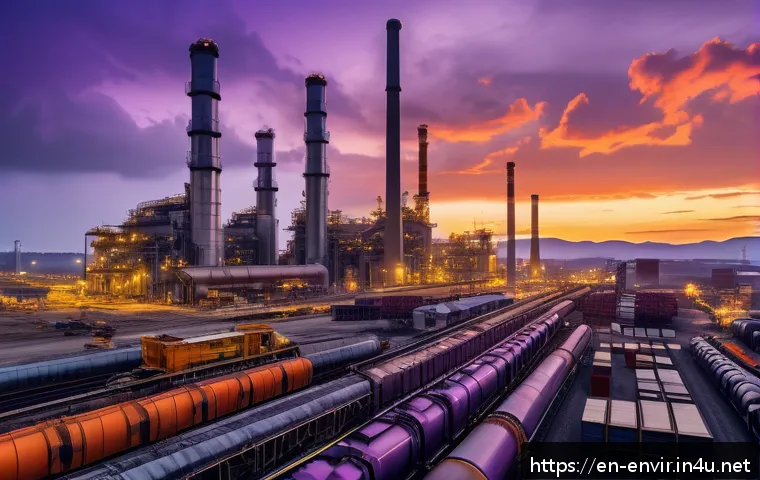
Lately, the conversation around climate change has intensified, with atmospheric CO2 levels taking center stage. Understanding how these patterns shift over time is crucial—not just for scientists, but for all of us who care about the planet’s future.
As CO2 concentrations reach new highs, the ripple effects on weather, ecosystems, and daily life become harder to ignore. I’ve been diving into the latest data and trends, and what I’ve found might surprise you.
Let’s explore what these changes mean for our world and how we can respond before it’s too late. Stick around—you won’t want to miss the insights ahead.
Tracing the Invisible Footprints in Our Atmosphere
Seasonal Swings and What They Tell Us
When you first glance at CO2 levels, it might look like a steady climb—but the reality is more dynamic. Each year, we see a natural ebb and flow in atmospheric CO2, primarily driven by plant life.
During spring and summer in the Northern Hemisphere, plants gobble up CO2 for photosynthesis, causing a dip in concentrations. Come fall and winter, when leaves decay and plant activity slows, CO2 levels rise again.
This cycle isn’t just a quirky pattern; it reflects the health and activity of ecosystems that act as carbon sinks. Observing these fluctuations helps scientists gauge how well forests and oceans are absorbing carbon, which is vital for predicting future climate scenarios.
How Human Activity Skews the Natural Balance
Beyond these natural rhythms, human activity adds a persistent upward push. Burning fossil fuels, deforestation, and industrial processes inject enormous amounts of CO2 into the atmosphere year-round, gradually shifting the baseline higher.
It’s like filling a bathtub with the drain open—the water level rises despite the leak. This relentless increase means that even during the natural dips, the overall CO2 concentration remains elevated.
Over time, this disrupts the delicate equilibrium that Earth’s climate depends on, making weather patterns more erratic and ecosystems more vulnerable.
Tracking CO2 Growth: What the Numbers Reveal
The latest measurements tell a compelling story. Atmospheric CO2 surpassed 420 parts per million (ppm) recently, a level not seen for millions of years.
This isn’t just a number—it’s a stark indicator of how much we’ve altered the planet’s chemistry. By comparing data over decades, scientists have identified an average annual increase of about 2.5 ppm, which might sound small but adds up quickly.
This steady rise aligns closely with industrialization timelines and global energy consumption trends. Understanding these numbers helps policymakers and environmentalists target their efforts more effectively.
From Air to Earth: The Ripple Effects on Climate and Life
Heatwaves, Storms, and Shifting Weather Patterns
Rising CO2 levels don’t just change the air we breathe—they reshape the entire climate system. More greenhouse gases trap extra heat, leading to hotter summers and milder winters in many regions.
This extra heat energy fuels extreme weather events, from intense hurricanes to prolonged droughts. For people living in vulnerable areas, these shifts are not abstract—they translate into real challenges like water shortages, crop failures, and health risks.
The link between CO2 concentrations and weather extremes is complex, but the trend is clear: higher CO2 means a more unpredictable and often harsher climate.
Impact on Oceans and Marine Life
A significant portion of atmospheric CO2 dissolves into the oceans, altering their chemistry in a process called ocean acidification. This change affects the ability of shell-forming creatures like corals, mollusks, and some plankton species to build and maintain their skeletons.
As coral reefs degrade, the rich biodiversity they support is jeopardized, impacting fisheries and coastal protection. The interconnectedness means that what happens in the atmosphere echoes through marine ecosystems, threatening food security and livelihoods dependent on healthy oceans.
Terrestrial Ecosystems Under Pressure
Land ecosystems respond to elevated CO2 in complex ways. On one hand, plants can grow faster with more CO2 available—a phenomenon known as CO2 fertilization.
However, this benefit is often limited by nutrient availability, water stress, and temperature extremes. Additionally, higher temperatures and altered precipitation patterns can stress forests, grasslands, and wetlands, reducing their ability to absorb carbon and support wildlife.
These changes risk triggering feedback loops where weakened ecosystems release more CO2, further accelerating climate change.
Mapping Global CO2 Emissions: Who’s Contributing What?
Major Emitters and Their Footprints
Not all countries contribute equally to rising CO2 levels. Industrialized nations historically pumped vast amounts of carbon into the atmosphere, setting the stage for today’s climate challenges.
Currently, emerging economies are increasing their emissions rapidly as they develop. Understanding these dynamics is key to crafting fair and effective climate policies.
For example, the United States, China, and the European Union remain top emitters but differ widely in per capita emissions and energy sources. Tracking these patterns informs international agreements and encourages targeted emission reductions.
Sector-Specific Contributions to CO2 Output
CO2 emissions come from various sectors, each with distinct challenges and opportunities for improvement. The energy sector—power plants, factories, and transportation—is the largest contributor, responsible for burning fossil fuels.
Agriculture and land-use changes, including deforestation, add significant CO2 amounts as well. By dissecting emissions by source, governments and businesses can prioritize investments in renewable energy, energy efficiency, and sustainable land management.
This targeted approach improves the effectiveness of climate action strategies.
Recent Trends in Emission Reductions and Challenges Ahead
Some regions have succeeded in decoupling economic growth from emissions, showing that progress is possible. For instance, many European countries have reduced their carbon intensity through cleaner energy and technology advances.
Yet, globally, emissions continue to rise due to increased demand and slow transitions in other parts of the world. The challenge lies in balancing development, equity, and environmental responsibility, requiring innovation, cooperation, and strong policy frameworks.
Innovations and Strategies to Slow the Rise
Renewable Energy Revolution

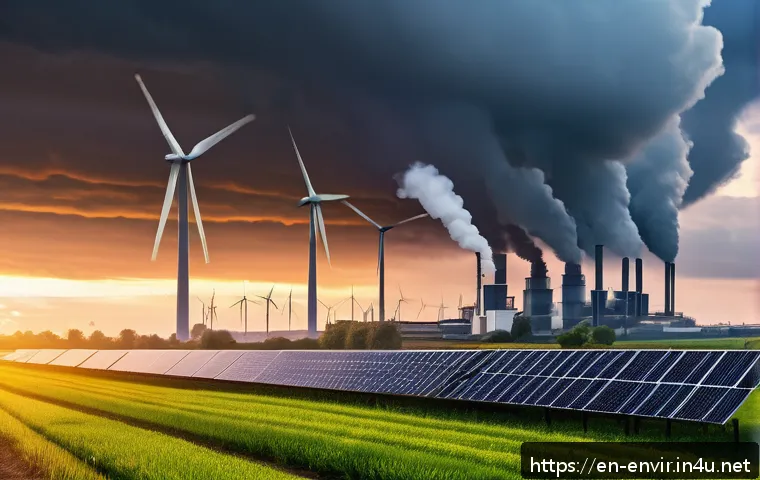
The shift from fossil fuels to renewable sources like solar, wind, and hydroelectric power is accelerating. As costs drop and technology improves, renewables are becoming the backbone of cleaner energy systems.
This transformation not only reduces CO2 emissions but also creates jobs and energy independence. However, integrating renewables into existing grids and ensuring reliable supply remain hurdles.
Investments in storage, smart grids, and flexible demand management are crucial to overcoming these challenges.
Carbon Capture and Storage Technologies
Emerging technologies aim to capture CO2 emissions directly from industrial sources or even the atmosphere itself. These captured emissions can then be stored underground or repurposed into useful products.
While still in early stages and relatively expensive, carbon capture and storage (CCS) could play a vital role in meeting climate targets, especially for sectors difficult to decarbonize.
Pilot projects around the world are testing feasibility, and policy incentives can help scale up deployment.
Behavioral Changes and Policy Measures
Individual choices, from diet to transportation habits, collectively influence CO2 levels. Shifting to plant-based diets, using public transit, and reducing energy consumption at home can all contribute.
On a larger scale, governments implement policies such as carbon pricing, emissions trading systems, and stricter efficiency standards. These measures create economic incentives to reduce emissions and foster innovation.
Public awareness and participation remain critical to driving and sustaining these changes.
Understanding CO2 Data: A Quick Reference Table
| Year | Global CO2 Concentration (ppm) | Annual Increase (ppm) | Major Emission Source |
|---|---|---|---|
| 2010 | 389 | 2.1 | Coal combustion |
| 2015 | 400 | 2.3 | Oil and gas |
| 2020 | 414 | 2.4 | Transportation |
| 2023 | 421 | 2.5 | Industrial processes |
The Human Dimension: Why This Matters to You
Health Implications of Rising CO2
Beyond climate impacts, elevated CO2 levels indirectly affect human health. Heatwaves can lead to heatstroke and exacerbate respiratory conditions, especially in vulnerable populations like children and the elderly.
Changes in air quality and allergen distribution also tie back to higher CO2 and warming trends. Recognizing these health risks adds urgency to climate action and encourages personal and community preparedness.
Economic Consequences and Opportunities
Climate change driven by CO2 increases imposes significant economic costs through damage to infrastructure, reduced agricultural yields, and disaster response.
Yet, it also opens doors to new markets and technologies in clean energy, green building, and sustainable agriculture. Embracing this transition can spur innovation and job creation, making economies more resilient and competitive.
Empowering Individual and Collective Action
Feeling overwhelmed by global CO2 trends is natural, but every action counts. From voting for climate-conscious leaders to supporting sustainable businesses and reducing personal carbon footprints, individuals wield power.
Community initiatives, education, and advocacy amplify this effect. Together, these efforts build momentum toward a future where CO2 levels stabilize and the planet’s health improves.
Closing Thoughts
Understanding the invisible footprints of CO2 in our atmosphere reveals how intricately connected our actions are to the planet’s health. While natural cycles continue, human activities have tipped the balance, creating urgent challenges for climate, ecosystems, and society. By staying informed and engaged, we can contribute to meaningful change and help shape a more sustainable future for generations to come.
Helpful Information to Keep in Mind
1. Seasonal CO2 fluctuations reflect the natural activity of plants, offering insight into ecosystem health and carbon absorption.
2. Human-driven emissions steadily raise baseline CO2 levels, disrupting climate stability despite natural cycles.
3. Major emitters and sectors vary, highlighting the importance of targeted policies and international cooperation.
4. Innovations like renewable energy and carbon capture are promising tools but require widespread adoption and support.
5. Individual choices combined with policy measures can collectively reduce emissions and foster resilience.
Key Takeaways
CO2 levels are rising due to both natural and human factors, with human activities driving a concerning upward trend. This increase affects climate patterns, ecosystems, and human health, demanding comprehensive strategies that involve technology, policy, and personal action. Understanding emission sources and trends empowers effective responses, while innovations and collective efforts offer hope in slowing climate change and protecting our planet’s future.
Frequently Asked Questions (FAQ) 📖
Q: Why are rising atmospheric CO2 levels such a big concern for the planet?
A: Rising CO2 levels are a major concern because they trap heat in the atmosphere, leading to global warming. This warming causes shifts in weather patterns, more extreme storms, melting ice caps, and rising sea levels.
These changes disrupt ecosystems, threaten wildlife, and affect agriculture and water supplies—basically impacting almost every aspect of life on Earth.
From my own observations, even small increases in CO2 can accelerate these effects, making it a pressing issue for everyone, not just scientists.
Q: How do changes in CO2 concentration affect daily weather and our everyday lives?
A: Changes in CO2 levels can influence temperature extremes and weather unpredictability. For example, higher CO2 can lead to hotter summers and milder winters, but also more frequent heatwaves, droughts, and heavy rainfall events.
I’ve noticed that this unpredictability makes planning daily activities, farming, and even infrastructure maintenance much more challenging. Over time, it can increase energy costs as we rely more on cooling or heating, and impact food security due to crop stress.
Q: What can individuals do to help mitigate the impacts of rising CO2 levels?
A: While tackling CO2 emissions requires global cooperation, individual actions do matter. Things like reducing car use by biking or using public transit, cutting down on energy consumption at home, supporting renewable energy, and advocating for policies that limit emissions can all add up.
From personal experience, making these changes not only helps reduce your carbon footprint but also encourages others to do the same. Every small step counts toward slowing climate change and protecting our future.