Water conservation isn’t just about saving a resource; it’s about creating a sustainable future for ourselves and generations to come. With increasing droughts and rising utility costs, finding ways to use water more efficiently has never been more critical.
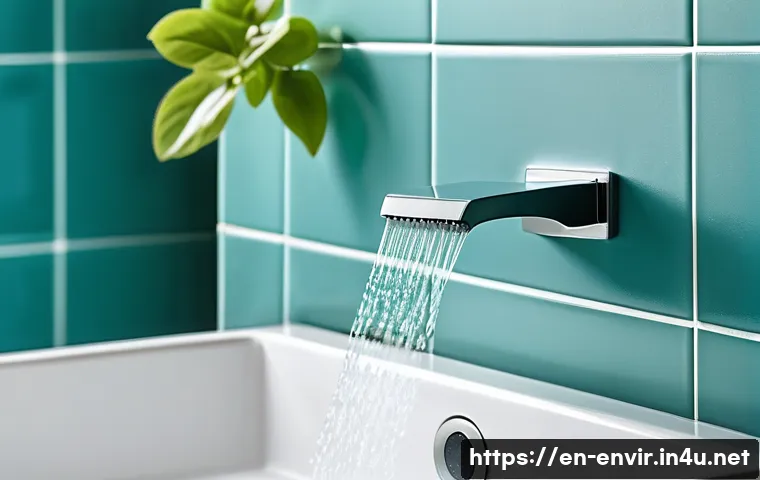
From simple daily habits to smart technology, every drop counts when it comes to preserving this precious resource. I’ve noticed that even small changes can lead to significant savings on water bills and help protect the environment.
Let’s dive into some practical strategies that you can start implementing today to make a real difference. I’ll break it down clearly so you can get a solid grasp on effective water-saving techniques!
Everyday Habits That Make a Big Splash
Mindful Water Use in the Kitchen
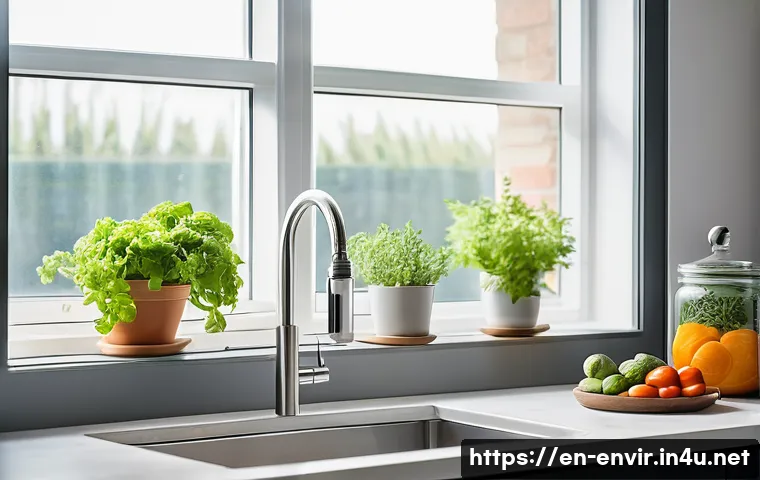
When it comes to water use, the kitchen is a hotspot where a lot of water can slip away unnoticed. I found that simply turning off the tap while scrubbing dishes or rinsing vegetables can save gallons of water daily.
Using a basin or the dishwasher wisely—running it only when full—also cuts down on unnecessary water waste. Another trick I swear by is soaking pots and pans instead of letting the water run while scrubbing.
These small tweaks have noticeably lowered my water bill and made me feel like I’m doing my part for the planet.
Bathroom Routines That Save More Than Time
Bathrooms are another area where water conservation is often overlooked. Switching from long showers to shorter, more focused ones has been a game-changer for me.
Installing low-flow showerheads and faucet aerators reduces water use without sacrificing comfort, which is a win-win. Also, fixing even the smallest leaks—like that constantly dripping faucet I ignored for months—can prevent hundreds of wasted gallons.
It’s amazing how much impact these simple changes have on overall water consumption when you add them up.
Smart Habits for Outdoor Watering
Watering the garden or lawn doesn’t have to drain your resources. I learned that watering early in the morning or late in the evening minimizes evaporation, meaning more water actually reaches the roots.
Using drip irrigation systems or soaker hoses delivers water directly to plants, reducing waste dramatically. Plus, choosing native plants that thrive in your local climate means they need less supplemental watering.
All these strategies help keep the yard green without turning the water meter into a horror story.
Tech Tools That Help Track and Reduce Water Use
Smart Water Meters and Leak Detectors
Investing in smart water meters was a revelation for me. These devices provide real-time data on water usage, allowing you to spot unusual spikes that often signal leaks or inefficient habits.
Pairing that with leak detectors that alert you instantly when water is escaping somewhere unseen can save thousands of gallons annually. The upfront cost might seem high, but the peace of mind and savings more than justify it.
Automatic Irrigation Controllers
Gone are the days of guessing how much water your lawn or garden needs. Automatic irrigation controllers use weather data and soil moisture sensors to adjust watering schedules accordingly.
This precision prevents overwatering and conserves water effectively. I’ve noticed healthier plants and a significantly lower water bill since upgrading to one of these smart systems.
It’s like having a personal gardener who’s obsessed with efficiency.
Water-Efficient Appliances
Modern appliances like washing machines and dishwashers have come a long way in terms of water efficiency. Choosing Energy Star-rated models can reduce water consumption by 30-50% compared to older machines.
While shopping for new appliances might not be an everyday option, planning replacements around water-saving technology pays off in the long run. Plus, many utility companies offer rebates that make upgrading even more affordable.
Understanding Water Usage: What Consumes the Most?
Breakdown of Household Water Use
Knowing where your water goes is the first step in managing consumption better. For example, toilets and showers typically make up the largest portion of indoor water use.
Laundry and kitchen activities follow closely behind. Outdoor watering can vary widely depending on climate and landscaping choices. When I tracked my own water use over a month, I was surprised to see how small habits in each area collectively added up to significant waste.
How Behavior Changes Affect Consumption
Changing your water habits isn’t about drastic lifestyle shifts; it’s about small, consistent actions. Turning off taps, fixing leaks, using appliances efficiently, and watering plants thoughtfully all contribute to lower usage.
I’ve found that setting reminders or keeping a water log helps maintain awareness, turning conservation into a natural part of daily life rather than a chore.
Seasonal Variations and Adjustments
Water needs can fluctuate with the seasons, especially outdoors. During hotter months, lawns and gardens require more attention, but that’s also when water is scarcer.
Adjusting irrigation schedules and cutting back on non-essential water use during dry periods can make a big difference. I’ve gotten into the habit of reviewing my water patterns quarterly to adapt to seasonal changes and avoid surprises on the bill.
Simple Upgrades That Add Up Over Time
Switching to Water-Saving Fixtures
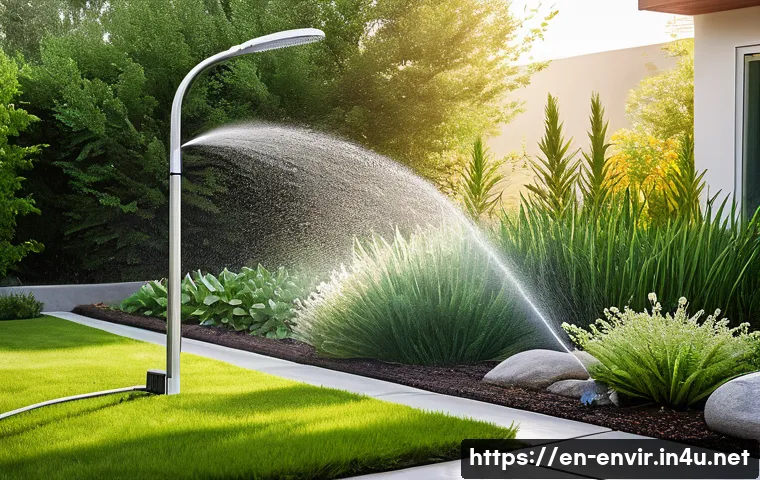
Replacing old faucets, showerheads, and toilets with water-efficient models was surprisingly easy and rewarding. The installation process didn’t require a professional in most cases, and the difference in water flow was noticeable without losing performance.
These upgrades cut my household’s water use significantly and started paying for themselves through lower bills within a year.
Rainwater Harvesting Basics
Collecting rainwater for garden use is an excellent way to reduce reliance on municipal water. Setting up a rain barrel is straightforward and inexpensive, and it provides a free source of water for plants.
I enjoy knowing that I’m using natural resources smartly and not just relying on treated water for outdoor needs. Plus, it lessens runoff and erosion in my yard.
Greywater Recycling at Home
Though a bit more complex, reusing greywater from sinks or showers for irrigation is gaining popularity. Installing a simple greywater system can lower water use significantly by diverting gently used water to plants instead of letting it go down the drain.
I’ve researched local regulations and options, and while it requires some upfront effort, it’s a sustainable choice that fits well with eco-conscious living.
Comparing Water-Saving Techniques: What Works Best?
| Technique | Initial Cost | Water Savings Potential | Ease of Implementation | Additional Benefits |
|---|---|---|---|---|
| Low-Flow Fixtures | Low ($20-$100) | High (up to 50%) | Easy | Improved water pressure, quick payback |
| Smart Irrigation Controllers | Moderate ($150-$300) | Moderate to High | Moderate | Healthier plants, convenience |
| Rainwater Harvesting | Low to Moderate ($50-$500) | Moderate | Easy to Moderate | Reduces runoff, free water source |
| Greywater Systems | High ($500+) | High | Complex | Significant water reuse, environmental impact |
| Smart Water Meters | Moderate to High ($100-$400) | Indirect (leak detection, usage awareness) | Easy to Moderate | Early leak detection, billing insights |
Community and Policy Actions That Amplify Impact
Participating in Local Water Conservation Programs
Many communities offer incentives for water-saving measures such as rebates on efficient appliances or landscaping changes. Getting involved in these programs can provide financial support and educational resources that make conservation easier.
I signed up for my city’s water audit program, and the personalized tips they gave me were invaluable in identifying waste I hadn’t noticed.
Advocating for Water-Smart Policies
Supporting policies that promote water conservation, such as restrictions on outdoor watering during droughts or incentives for water-efficient construction, helps create a broader impact.
I’ve found that staying informed about local water issues and voicing support for smart policies encourages sustainable practices beyond my own household.
Sharing Knowledge and Encouraging Others
One of the most rewarding parts of water conservation is inspiring others to join in. Sharing tips, hosting community workshops, or simply talking to friends and neighbors about water-saving habits spreads awareness and multiplies the effects.
I’ve noticed that when more people around me take action, it creates a ripple effect that benefits everyone.
Closing Thoughts
Water conservation is more than just a trend—it’s a practical, impactful way to protect our planet and reduce household expenses. By adopting simple habits and leveraging smart technology, anyone can make a meaningful difference. The small changes we commit to daily add up to significant savings and a healthier environment. Let’s embrace these strategies to create sustainable living for ourselves and future generations.
Useful Information to Keep in Mind
1. Turning off taps while washing or scrubbing can save gallons of water every day.
2. Fixing leaks promptly prevents hundreds of gallons from being wasted over time.
3. Watering plants early in the morning or late in the evening reduces evaporation and maximizes efficiency.
4. Investing in water-efficient appliances and fixtures offers long-term savings despite initial costs.
5. Participating in community programs and supporting water-smart policies amplifies conservation efforts beyond your home.
Key Takeaways
Effective water conservation blends simple behavioral changes with strategic upgrades and technology. Prioritizing small daily habits, such as mindful water use and leak repairs, lays the foundation. Complementing these with smart irrigation systems, efficient appliances, and rainwater harvesting maximizes impact. Engaging with local initiatives and advocating for sustainable policies further strengthens community-wide efforts. Together, these actions ensure a balanced, responsible approach to managing our most precious resource.
Frequently Asked Questions (FAQ) 📖
Q: What are some easy daily habits to conserve water at home?
A: Simple habits like turning off the tap while brushing your teeth, taking shorter showers, and fixing leaks promptly can make a huge difference. Also, using a broom instead of a hose to clean driveways or watering plants early in the morning to reduce evaporation helps save water effortlessly.
I’ve tried these myself, and not only did my water bill go down noticeably, but it also felt good knowing I was contributing to a larger cause.
Q: How can smart technology help in reducing water usage?
A: Smart water meters, leak detectors, and automated irrigation systems can monitor and control water use precisely, minimizing waste. For example, smart sprinklers adjust watering schedules based on weather conditions, so your lawn isn’t overwatered.
When I installed a leak detector in my home, it alerted me to a hidden pipe leak that could have wasted hundreds of gallons. These technologies might have upfront costs but often pay off quickly through savings and peace of mind.
Q: Is water conservation really effective in lowering utility bills?
A: Absolutely. Even small changes add up over time, and many people don’t realize how much water they waste daily. By adopting water-saving fixtures like low-flow showerheads and faucets, fixing leaks, and being mindful of usage, I’ve seen my monthly water expenses drop significantly.
Besides financial savings, conserving water reduces strain on municipal systems and helps protect the environment, making it a win-win situation.