As cities around the world grapple with rapid population growth and environmental challenges, the concept of smart cities is gaining unprecedented attention.
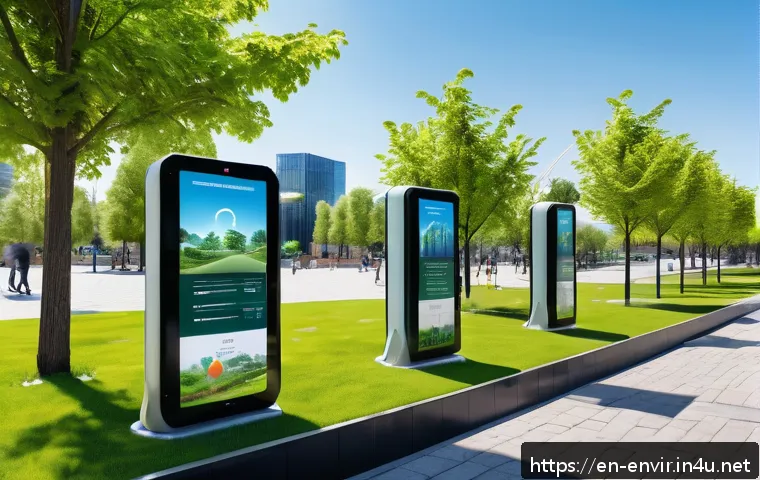
From advanced data analytics to eco-friendly infrastructure, these innovations are transforming urban living into a more sustainable and efficient experience.
If you’ve ever wondered how technology can help solve traffic congestion, reduce energy waste, or improve public services, you’re in the right place. Today, we’re diving into how smart cities are not just a futuristic idea but a practical solution shaping the way we live, work, and interact with our environment.
Stick around to discover the cutting-edge trends making urban sustainability a reality.
Integrating Smart Mobility for Seamless Urban Travel
Adaptive Traffic Management Systems
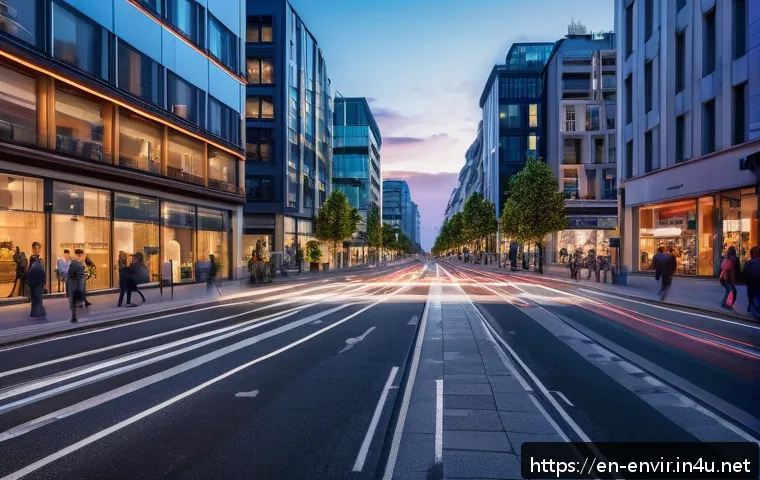
Cities are increasingly turning to adaptive traffic control technologies that use real-time data to ease congestion and reduce commute times. Unlike traditional traffic signals operating on fixed timers, these smart systems analyze traffic flow patterns using sensors and cameras, dynamically adjusting signal timings to prioritize movement where it’s most needed.
From my experience visiting cities with these setups, the difference is palpable—less idling at red lights means lower emissions and a smoother drive.
This technology also helps emergency vehicles navigate quickly through dense traffic, potentially saving lives. The continuous feedback loop between data and infrastructure allows urban planners to identify problem areas and optimize routes, creating a more responsive and efficient transport network.
Electric and Shared Micro-Mobility Options
The rise of electric scooters, bikes, and car-sharing platforms is revolutionizing the “last mile” problem in urban mobility. These options offer flexible, low-impact ways to navigate short distances without relying on personal vehicles.
I personally found that integrating micro-mobility into my daily routine cut down my reliance on cars and public transit, making my commutes not only quicker but also more enjoyable.
Cities that invest in dedicated lanes and charging stations encourage residents to choose these greener alternatives, lowering overall carbon footprints.
Furthermore, shared mobility services utilize data analytics to redistribute vehicles efficiently, reducing clutter and ensuring availability during peak times.
Smart Parking Solutions
Parking has long been a headache in crowded urban areas, but smart parking systems are changing the game by guiding drivers to available spots using real-time information.
This reduces the frustrating and time-consuming search for parking, which often contributes to traffic congestion and unnecessary fuel consumption. In practice, I noticed that apps connected to smart parking sensors can reserve spots in advance, streamlining the entire parking process.
For businesses and municipalities, these systems offer valuable data on parking patterns, enabling better infrastructure planning and dynamic pricing models that encourage turnover and reduce illegal parking.
Optimizing Energy Use Through Intelligent Infrastructure
Smart Grids and Renewable Integration
Smart grids are transforming how cities manage electricity by integrating renewable energy sources and enabling two-way communication between providers and consumers.
These grids adjust energy distribution based on demand fluctuations, preventing blackouts and reducing waste. I’ve observed that neighborhoods equipped with smart meters and solar panels often enjoy lower energy bills and more reliable power.
The ability to store excess energy in batteries or feed it back into the grid creates a resilient energy ecosystem that supports sustainability goals.
This technology also empowers residents to monitor their consumption in real time, encouraging more conscious energy use.
Energy-Efficient Building Management Systems
Modern buildings equipped with IoT sensors and automation systems can optimize heating, cooling, lighting, and ventilation to minimize energy waste. In office spaces I’ve worked in, these systems adapt to occupancy levels and external weather conditions, adjusting settings automatically to maintain comfort without excess consumption.
Over time, this approach has led to significant reductions in utility costs and carbon emissions. Smart building management also enables predictive maintenance, detecting equipment issues before they escalate and ensuring efficient operation.
This combination of technology and data-driven insights is a key component of sustainable urban infrastructure.
Urban Lighting and Public Space Efficiency
Intelligent street lighting systems equipped with motion detectors and ambient light sensors are helping cities reduce energy use while maintaining safety.
I’ve walked through neighborhoods where lights dim during low activity periods and brighten when pedestrians or vehicles approach, creating a welcoming yet energy-conscious environment.
These systems not only cut costs but also reduce light pollution, benefiting urban wildlife and residents’ well-being. Additionally, smart lighting can be integrated with emergency alert systems and traffic controls, enhancing overall urban responsiveness.
Enhancing Public Services with Data-Driven Solutions
Smart Waste Management
Waste collection in smart cities leverages sensors in bins to monitor fill levels, optimizing pickup schedules and routes. This reduces unnecessary trips, saving fuel and lowering emissions.
From what I’ve seen in cities implementing these systems, residents benefit from cleaner streets and more reliable waste services. The data collected also aids in identifying recycling rates and waste generation patterns, helping municipalities design better environmental policies.
The real-time monitoring ensures that overflowing bins become a thing of the past, improving urban hygiene and quality of life.
Digital Public Safety and Emergency Response
Public safety is enhanced through integrated surveillance systems, AI-driven crime prediction models, and connected emergency services. Cities employing these technologies can deploy resources more effectively and respond faster to incidents.
I recall visiting a city where real-time crime data was accessible to both law enforcement and the public, fostering transparency and community trust.
Smart emergency response systems coordinate between ambulances, fire departments, and police to minimize response times. This interconnected approach not only improves safety but also builds resilient communities better prepared for crises.
Citizen Engagement Platforms
Technology empowers residents to participate in urban governance through apps and online portals that facilitate reporting issues, accessing services, and providing feedback.
In my experience, cities that encourage this two-way communication see higher citizen satisfaction and better problem resolution. These platforms often include gamification elements or reward systems to boost engagement, making civic participation more accessible and enjoyable.
By harnessing collective intelligence, cities can prioritize projects and policies that truly reflect community needs.
Innovative Environmental Monitoring and Protection
Air Quality Sensors and Pollution Control
Smart cities deploy networks of air quality sensors to track pollution levels in real time, enabling timely interventions. I’ve noticed that in areas with these systems, authorities can issue health advisories or adjust traffic flows to reduce harmful emissions.
The data collected also supports long-term urban planning aimed at improving air quality. Citizens benefit from accessible air quality indexes via apps, helping vulnerable groups make informed decisions.
This proactive approach is vital in mitigating the health impacts of urban pollution.
Water Management and Leak Detection
Advanced sensors and AI analytics help monitor water distribution systems to detect leaks, optimize usage, and prevent waste. During a visit to a city using such technology, I was impressed by how quickly authorities could pinpoint and fix leaks, conserving precious water resources.
Smart irrigation systems in parks and public spaces adjust watering schedules based on weather forecasts and soil moisture, promoting sustainability. These efforts contribute to resilient water management, essential for urban areas facing climate change challenges.
Urban Green Spaces and Biodiversity Tracking
Technology assists in maintaining and expanding urban green spaces by monitoring plant health, soil conditions, and biodiversity levels. I’ve seen projects where drones and sensors provide detailed environmental data, enabling targeted care and conservation efforts.
This not only enhances urban aesthetics but also supports ecosystem services like air purification and temperature regulation. Engaging communities through digital platforms to participate in green initiatives further strengthens urban ecology and fosters environmental stewardship.
Data Privacy and Ethical Considerations in Smart Cities
Balancing Innovation with Privacy Rights
As cities collect vast amounts of data, safeguarding residents’ privacy becomes paramount. I’ve encountered debates around how to ensure transparency and consent while leveraging data for public benefit.
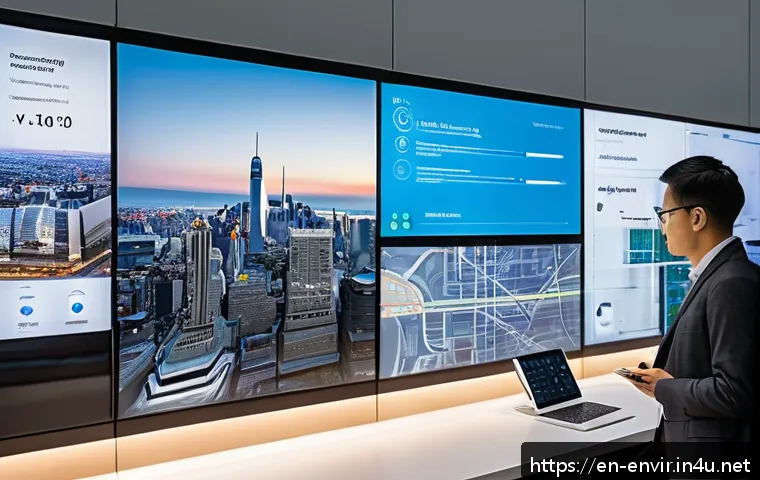
Cities adopting privacy-by-design principles embed protections from the outset, limiting data access and anonymizing information. This builds trust, encouraging wider adoption of smart technologies without compromising individual rights.
Clear policies and public education are critical to maintaining this balance.
Preventing Algorithmic Bias and Ensuring Equity
Smart city systems rely on algorithms that must be carefully designed to avoid reinforcing social inequalities. From my observations, inclusive data collection and diverse stakeholder involvement help mitigate bias in areas like policing, resource allocation, and service delivery.
Cities committed to equity conduct regular audits and adjust algorithms to serve all populations fairly. This ethical approach ensures that smart city benefits reach everyone, not just select groups.
Community Participation in Governance
Incorporating residents’ voices in decisions about technology deployment enhances legitimacy and effectiveness. Participatory workshops, online forums, and citizen advisory boards allow diverse perspectives to shape smart city strategies.
I’ve seen firsthand how such engagement results in solutions that are more attuned to local needs and values, fostering a sense of ownership and cooperation.
This collaborative model strengthens the social fabric and promotes sustainable urban development.
| Smart City Component | Key Benefits | Example Technologies | Impact on Residents |
|---|---|---|---|
| Adaptive Traffic Management | Reduced congestion, lower emissions | IoT sensors, AI traffic signals | Smoother commutes, less pollution |
| Smart Grids | Efficient energy use, renewable integration | Smart meters, energy storage | Lower bills, reliable power |
| Waste Management | Optimized collection, cleaner streets | Fill-level sensors, route optimization | Improved hygiene, convenience |
| Public Safety | Faster response, crime prevention | AI analytics, connected emergency systems | Increased security, trust |
| Environmental Monitoring | Pollution control, resource conservation | Air quality sensors, leak detectors | Healthier environment, informed citizens |
| Citizen Engagement | Improved governance, transparency | Mobile apps, online portals | Empowered communities, better services |
Leveraging AI and IoT for Smarter Urban Management
Predictive Analytics for Infrastructure Maintenance
Artificial intelligence enables cities to anticipate infrastructure failures before they occur, reducing downtime and repair costs. I’ve seen how sensors embedded in bridges, roads, and public transit systems collect data that AI models analyze to predict wear and tear.
This proactive maintenance approach extends asset lifespans and enhances public safety, preventing disruptions in daily life. Cities benefit economically by avoiding costly emergency repairs and optimizing budget allocation.
IoT-Enabled Resource Optimization
The Internet of Things connects countless devices across urban environments, enabling precise control of resources like water, electricity, and waste management.
In practice, smart meters and connected appliances provide residents and city managers with actionable insights to reduce consumption. I personally found that smart home integrations complement city-wide efforts by automating energy-saving actions, such as adjusting thermostats or turning off unused lights.
This networked intelligence fosters a culture of efficiency and sustainability.
Enhancing Urban Resilience through Real-Time Monitoring
Real-time data streams from IoT devices allow cities to respond swiftly to emergencies such as floods, power outages, or public health crises. During extreme weather events, sensor networks monitor conditions and trigger early warnings, giving residents crucial time to prepare.
From what I experienced during a recent storm, having access to timely information made a tangible difference in safety and peace of mind. This technological layer strengthens urban resilience, making cities better equipped to face future challenges.
Building Inclusive Smart Cities for All Residents
Accessible Technology and Infrastructure
Smart city initiatives must ensure that technological benefits are accessible to all, including marginalized and differently-abled populations. I’ve noticed that cities investing in universal design principles—like tactile pavements, audio signals, and multilingual apps—create more inclusive environments.
This thoughtful approach removes barriers and enhances mobility, communication, and participation for everyone. Accessibility isn’t just a feature; it’s a foundation for equitable urban living.
Bridging the Digital Divide
Providing affordable internet access and digital literacy programs is essential to prevent exclusion in smart city ecosystems. I’ve volunteered in communities where digital training empowered residents to engage with online services and participate in civic life confidently.
Cities that prioritize connectivity reduce disparities and unlock economic opportunities for all citizens. Public Wi-Fi zones and community tech hubs are practical solutions fostering digital inclusion.
Fostering Community-Led Innovation
Encouraging grassroots innovation and local entrepreneurship helps tailor smart city solutions to unique neighborhood needs. I’ve observed that hackathons, incubators, and maker spaces enable residents to co-create technologies that address their daily challenges.
This bottom-up approach complements top-down initiatives, ensuring relevance and sustainability. Supporting community-driven projects builds social capital and drives continuous urban improvement.
Transforming Urban Economy with Smart Technologies
Boosting Local Business through Digital Platforms
Smart cities leverage digital marketplaces and data analytics to help local businesses thrive. From my interactions with small business owners, access to real-time consumer data and online sales channels has expanded their reach and revenue.
These platforms also enable personalized marketing and efficient inventory management. By fostering a vibrant local economy, smart cities create jobs and enhance residents’ quality of life.
Smart Tourism and Cultural Experiences
Technology enriches urban tourism through augmented reality tours, smart guides, and personalized recommendations. During a recent trip, I used a city app that suggested hidden gems based on my interests, transforming my visit into a unique cultural experience.
Smart tourism not only attracts visitors but also promotes heritage preservation and sustainable travel practices. Cities benefit economically while fostering pride in local culture.
Workforce Development and Future Skills
Preparing the workforce for smart city jobs involves training in data science, AI, IoT, and sustainability. I’ve attended workshops aimed at equipping workers with these skills, recognizing their growing demand.
Cities that invest in education and re-skilling programs can reduce unemployment and support innovation-driven growth. This proactive approach ensures that residents are active participants in the evolving urban economy.
Conclusion
Smart urban technologies are reshaping how we live, travel, and interact within cities. From adaptive traffic systems to inclusive community engagement, these innovations create more efficient, sustainable, and equitable environments. Embracing these advancements not only improves daily life but also prepares cities for future challenges. As we move forward, integrating technology thoughtfully will be key to building vibrant and resilient urban spaces.
Useful Information to Know
1. Adaptive traffic management reduces congestion and pollution by adjusting signals based on real-time data.
2. Electric and shared micro-mobility options offer convenient and eco-friendly solutions for short-distance travel.
3. Smart grids and energy-efficient buildings help lower utility costs while promoting sustainability.
4. Data-driven public services like waste management and emergency response enhance urban living quality.
5. Ensuring privacy, equity, and community participation is essential for successful smart city implementation.
Key Takeaways
Implementing smart city solutions requires balancing innovation with ethical considerations such as data privacy and inclusivity. Effective use of AI and IoT technologies enables predictive maintenance, resource optimization, and real-time emergency responses, fostering urban resilience. Moreover, involving residents in governance and bridging the digital divide ensures that benefits reach all community members. Ultimately, smart cities thrive when technology serves people’s needs while supporting sustainable growth and social equity.
Frequently Asked Questions (FAQ) 📖
Q: What exactly defines a smart city, and how is it different from a traditional city?
A: A smart city uses digital technology and data-driven solutions to improve the quality of life for its residents. Unlike traditional cities, which rely mostly on manual processes, smart cities integrate sensors, IoT devices, and real-time analytics to manage resources efficiently.
This means better traffic flow, reduced energy consumption, enhanced public safety, and more responsive public services. The goal is to create a sustainable, convenient, and connected urban environment that adapts to its citizens’ needs.
Q: How do smart cities help reduce traffic congestion and improve transportation?
A: Smart cities tackle traffic problems by using advanced data analytics and IoT sensors to monitor traffic patterns in real time. For example, adaptive traffic signals adjust based on actual congestion, reducing wait times at intersections.
Public transit systems become more reliable with real-time updates, encouraging people to choose buses or trains over personal cars. Additionally, smart parking solutions guide drivers to available spots, cutting down on unnecessary driving.
From my experience visiting cities with these systems, the difference in commute times and stress levels is noticeable.
Q: Are smart city technologies environmentally friendly, and do they really contribute to sustainability?
A: Absolutely. One of the core aims of smart city technology is to promote sustainability. By optimizing energy use in buildings, street lighting, and public utilities, these systems reduce waste significantly.
For instance, smart grids balance electricity demand and supply more efficiently, often integrating renewable energy sources. Water management systems detect leaks early, conserving precious resources.
In cities I’ve explored with these technologies, the air quality often improves, and residents benefit from greener, cleaner urban spaces. It’s a practical way to address environmental challenges while enhancing everyday life.