Lately, we’ve witnessed more extreme weather and shifting wildlife patterns that hint at a deeper transformation beneath the surface. Climate change isn’t just warming the planet—it’s fundamentally reshaping how ecosystems function and interact.
This invisible rewiring affects everything from pollination to food chains, with ripple effects that touch our daily lives. Understanding these changes is crucial as they hold the key to predicting and protecting our future.
Let’s dive into how this ecological upheaval is unfolding and why it matters more than ever.
Shifting Seasons and the Life Cycles They Disrupt
Earlier Springs and the Race Against Time
Over the past decade, many plants and animals have been responding to warmer temperatures by altering their seasonal schedules. Trees bloom earlier, insects hatch sooner, and migratory birds arrive ahead of their usual times.
This shift might seem like a subtle calendar change, but it triggers a cascade of mismatches in nature’s timing. For example, if flowers bloom before their primary pollinators emerge, both suffer—plants miss out on reproduction, and pollinators lose a vital food source.
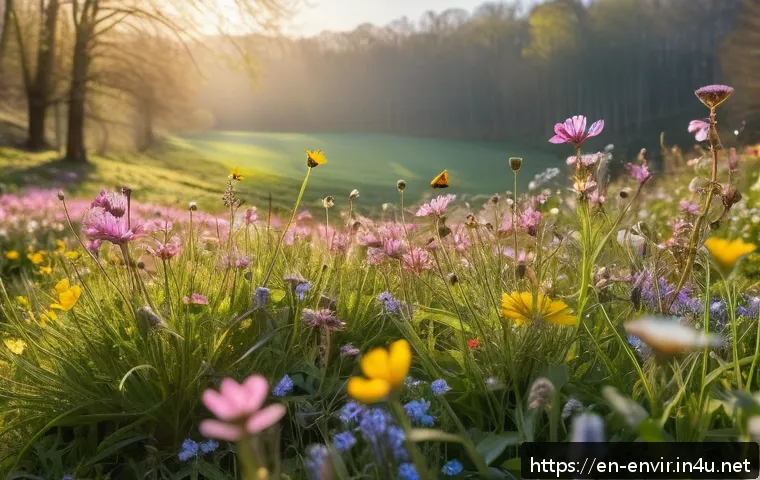
From what I’ve observed on local hikes, some wildflowers that used to peak in late April now bloom in March, throwing off the rhythm of the whole meadow ecosystem.
Extended Growing Seasons and Their Double-Edged Sword
Longer warm periods can initially sound like a win for plants and animals, offering more time for growth and reproduction. However, this extension can backfire by pushing species into unfamiliar or stressful conditions.
For instance, some crops may flower too early and then face unexpected frosts, damaging yields. Similarly, pests that usually die off during cold snaps may survive longer, causing increased damage to both wild and cultivated plants.
When I chatted with a local farmer last season, he lamented how unpredictable weather patterns forced him to rethink planting schedules every year—something unheard of before climate shifts intensified.
Changes in Animal Migration Patterns
Migration is a finely tuned survival strategy, but shifting climates are scrambling these ancient routes. Birds and marine species now adjust their migration timing and destinations, sometimes abandoning traditional stopovers.
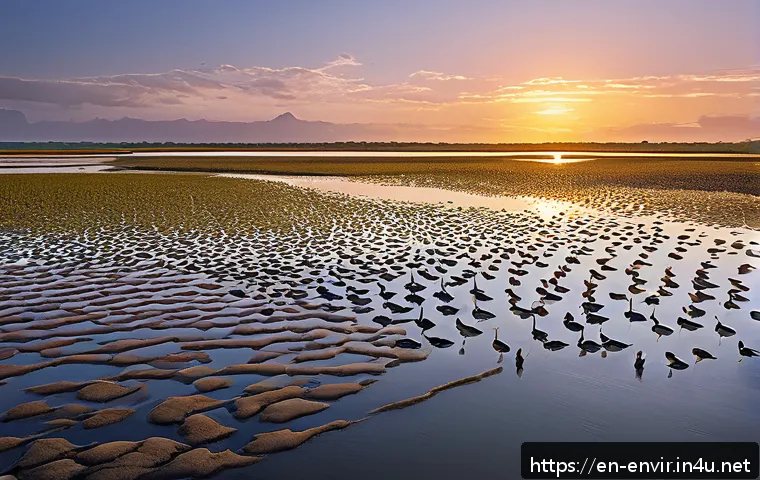
This creates stress not only for the migrating animals but also for the ecosystems they depend on along the way. For example, shorebirds that rely on specific coastal wetlands for refueling find those habitats drying up or becoming unsuitable.
In my experience volunteering at a bird sanctuary, we noticed a decline in certain migratory species that used to be common visitors, signaling a broader disruption in ecological connectivity.
Disrupted Food Webs and the Domino Effect
Pollinator Declines and Plant Reproduction Challenges
Pollinators such as bees, butterflies, and bats are keystones in many ecosystems, facilitating plant reproduction. Climate-induced habitat changes and timing mismatches have led to declining pollinator populations in several regions.
Without adequate pollination, many plants produce fewer seeds, reducing food availability for herbivores and ultimately affecting predators. I remember attending a community workshop where local gardeners shared concerns about fruit trees producing less fruit year after year, and the common thread was pollinator scarcity linked to environmental stressors.
Predator-Prey Relationships in Flux
When prey species shift their range or behavior in response to temperature changes, predators must adapt quickly or face starvation. Some predators expand into new territories, potentially outcompeting native species and disrupting established balances.
For example, warmer waters have allowed certain predatory fish to invade regions they once avoided, impacting local fisheries. I’ve fished in coastal areas where the usual catch has changed noticeably, with some prized species becoming scarce while newcomers show up unexpectedly.
Invasive Species Taking Advantage
Climate change often weakens native ecosystems, opening doors for invasive species that thrive in disturbed environments. These invaders can outcompete local flora and fauna, altering food webs and ecosystem functions.
In urban parks near my home, invasive plants have spread rapidly over the last few years, crowding out native wildflowers and reducing habitat quality for insects and birds.
This creeping takeover not only diminishes biodiversity but also complicates conservation efforts.
Oceans in Transition: From Acidification to Habitat Loss
Ocean Acidification and Its Ripple Effects
The oceans absorb about a quarter of human-produced CO2, leading to acidification that affects marine life, especially shell-forming creatures like corals and mollusks.
This chemical shift weakens coral reefs, which serve as biodiversity hotspots and natural coastal barriers. Diving near reefs, I’ve seen firsthand the bleaching and erosion that compromises these vital ecosystems, threatening countless marine species and the communities relying on them for food and tourism.
Rising Sea Temperatures and Species Migration
Warmer seas push fish and other marine animals toward cooler waters, often poleward or into deeper areas. This redistribution disrupts traditional fishing zones and marine food webs.
Fishermen I’ve spoken to along the East Coast report catching different species than in previous decades, forcing adaptations in fishing practices and local economies.
These changes ripple through the entire seafood supply chain, affecting availability and prices.
Coastal Habitat Loss and Human Impact
Rising sea levels and more frequent storms erode wetlands, mangroves, and estuaries—critical habitats for juvenile fish, birds, and other wildlife. The loss of these natural buffers also increases flood risks for coastal communities.
During a recent visit to a coastal conservation project, I learned how restoring wetlands not only helps wildlife but also protects people from storm surges, highlighting the interconnectedness of ecological and human resilience.
Forest Ecosystems Under Stress
Increased Wildfire Frequency and Intensity
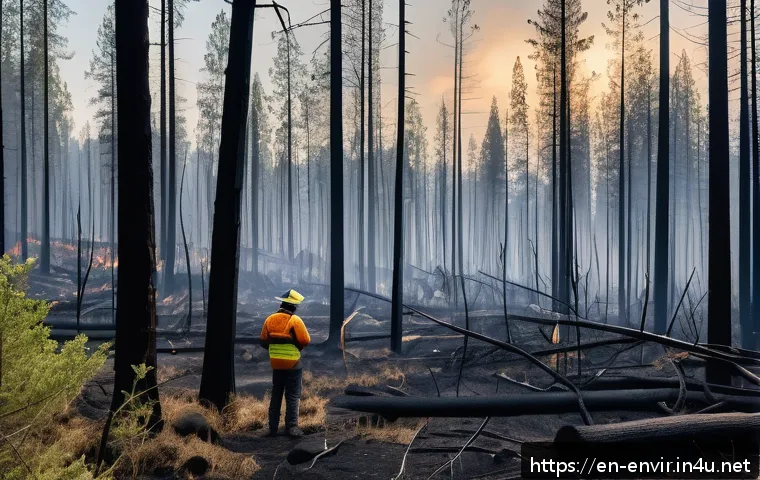
Hotter, drier conditions have made wildfires more frequent and severe, transforming vast forested landscapes. Beyond immediate destruction, fires alter soil chemistry, disrupt seed banks, and change species composition long-term.
I’ve witnessed the aftermath of wildfires where once-thriving forests became patchworks of charred stumps and invasive grasses, making natural recovery slow and unpredictable.
Pests and Diseases on the Rise
Warmer winters and longer growing seasons help pests like bark beetles survive and reproduce more rapidly, devastating trees. Forests weakened by drought and fire become even more vulnerable.
Talking with forestry experts, I learned that managing these outbreaks requires integrated approaches combining monitoring, controlled burns, and reforestation strategies to maintain forest health.
Shifts in Tree Species Distribution
Some tree species are migrating uphill or northward to escape heat stress, while others struggle to survive in their historical ranges. This gradual reshuffling changes forest structure and the animals that depend on specific tree species.
During hikes in mountainous areas, I’ve noticed changes in tree composition compared to past decades, reflecting these slow but significant shifts.
Freshwater Systems Facing New Challenges
Altered Stream Flow Patterns
Changes in precipitation and snowmelt timing influence river and stream flows, affecting aquatic habitats. Lower flows during summer can concentrate pollutants and raise water temperatures, stressing fish and invertebrates.
I recall visiting a once-vibrant trout stream now struggling to sustain populations due to irregular water availability, a direct consequence of shifting climate patterns.
Increased Risk of Algal Blooms
Warmer water temperatures and nutrient runoff create ideal conditions for harmful algal blooms, which deplete oxygen and release toxins harmful to aquatic life and humans.
Local lakes I’ve swum in have experienced more frequent closures due to these blooms, impacting recreation and public health.
Threats to Freshwater Biodiversity
Many freshwater species are highly specialized and sensitive to environmental changes. Habitat fragmentation and climate stressors increase extinction risks.
Conservationists I’ve met emphasize the urgency of protecting riparian zones and restoring natural flow regimes to safeguard these vulnerable communities.
Human Communities and Ecosystem Services at Risk
Food Security and Changing Agricultural Landscapes
Climate-driven shifts in ecosystems directly affect crop yields, pollination, and fisheries, threatening food supplies. Farmers face unpredictable growing seasons, pest outbreaks, and soil degradation.
Conversations with growers reveal the growing need for climate-resilient crops and sustainable farming practices to adapt effectively.
Health Impacts Linked to Ecological Changes
Altered ecosystems can increase the spread of vector-borne diseases as mosquitoes and ticks expand into new areas. Additionally, reduced air and water quality from ecosystem degradation affect human well-being.
I’ve experienced firsthand the rise in allergy seasons and mosquito nuisances, which seem tied to broader environmental changes.
Economic Consequences of Ecosystem Disruptions
Tourism, fisheries, and forestry industries all depend on healthy ecosystems. When these systems falter, local economies suffer, often hitting vulnerable communities hardest.
A coastal town I visited recently shared stories of struggling businesses as fish stocks declined and beaches faced erosion, underscoring the deep ties between ecological health and economic vitality.
| Ecological Aspect | Climate Change Impact | Example | Human Consequence |
|---|---|---|---|
| Pollination Timing | Mismatch between plant flowering and pollinator emergence | Early blooming wildflowers missing bee activity | Reduced crop yields and fruit production |
| Marine Species Migration | Shift toward cooler waters | New fish species in traditional fishing areas | Fishermen adapting to changing catch |
| Forest Health | Increased wildfires and pest outbreaks | Bark beetle infestations killing large forest patches | Loss of timber resources and habitat |
| Freshwater Systems | Altered flow and increased algal blooms | Summer low flows and toxic lake closures | Reduced recreational opportunities and health risks |
| Human Communities | Food security and economic risks | Unpredictable growing seasons and fishery declines | Economic instability and health challenges |
In Conclusion
The intricate balance of ecosystems is increasingly challenged by shifting seasons and climate change. These disruptions ripple through plants, animals, and human communities alike, highlighting the urgent need for adaptive strategies. Understanding these changes helps us prepare and respond more effectively to protect both nature and ourselves. Our shared future depends on recognizing these connections and acting with resilience and care.
Useful Information to Keep in Mind
1. Earlier springs can cause mismatches between plants and their pollinators, impacting reproduction and food chains.
2. Longer growing seasons may seem beneficial but can expose crops and wildlife to unexpected stresses and pests.
3. Altered migration patterns affect not only animals but also the ecosystems and human industries connected to them.
4. Ocean changes like acidification and warming shift marine life and threaten coastal habitats critical for biodiversity.
5. Human communities face increasing risks in food security, health, and economic stability due to these ecological disruptions.
Key Takeaways
Climate change is reshaping natural cycles and habitats in profound ways, leading to cascading effects across ecosystems and human systems. From mismatched pollination timing to shifting species distributions and heightened environmental stresses, these changes demand proactive management and sustainable practices. Protecting ecosystem health is not only vital for wildlife but also essential for maintaining the services that support our livelihoods and well-being. Embracing resilience and innovation is crucial as we navigate these evolving challenges together.
Frequently Asked Questions (FAQ) 📖
Q: How does climate change affect the relationships between species in an ecosystem?
A: Climate change disrupts the timing and availability of resources like food and shelter, causing species that once coexisted smoothly to fall out of sync.
For example, some plants may bloom earlier due to warmer temperatures, but their pollinators haven’t adjusted their life cycles accordingly, leading to reduced pollination.
This mismatch can ripple through food chains, affecting predators and prey alike. From my experience observing local bird populations, shifts in insect emergence have made feeding more challenging for some species, showing just how interconnected these changes are.
Q: Why should everyday people care about shifts in wildlife patterns caused by climate change?
A: These shifts are not isolated; they directly influence agriculture, water quality, and even disease spread, which impact our daily lives. For instance, changes in pollinator populations can reduce crop yields, leading to higher food prices and scarcity.
Additionally, altered habitats can increase encounters between humans and wildlife, sometimes spreading diseases. I’ve noticed how unpredictable weather patterns have made gardening trickier and affected local food availability, proving that ecological changes hit closer to home than many realize.
Q: What can individuals do to help mitigate the negative effects of climate change on ecosystems?
A: While global action is essential, individual choices matter too. Supporting native plants in your garden can help local pollinators and wildlife adapt.
Reducing energy use and opting for sustainable products lowers your carbon footprint, slowing climate change’s pace. I started composting and planting pollinator-friendly flowers, and it’s rewarding to see bees and butterflies thriving nearby.
Small steps like these, multiplied across communities, can create meaningful change and protect the delicate balance of our ecosystems.