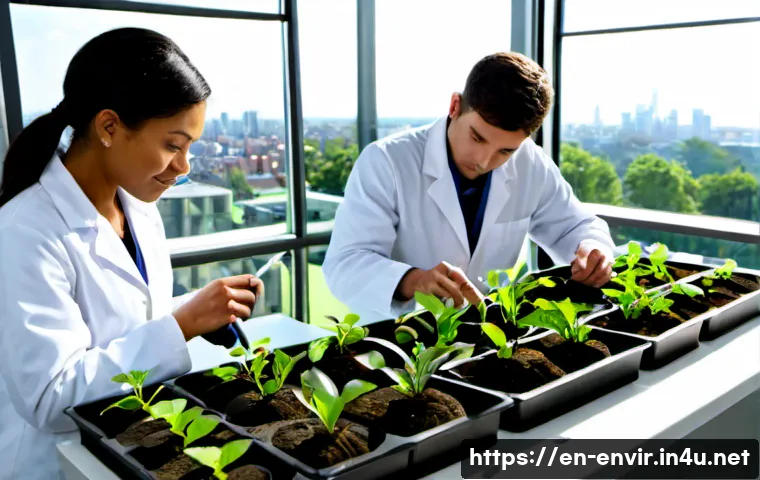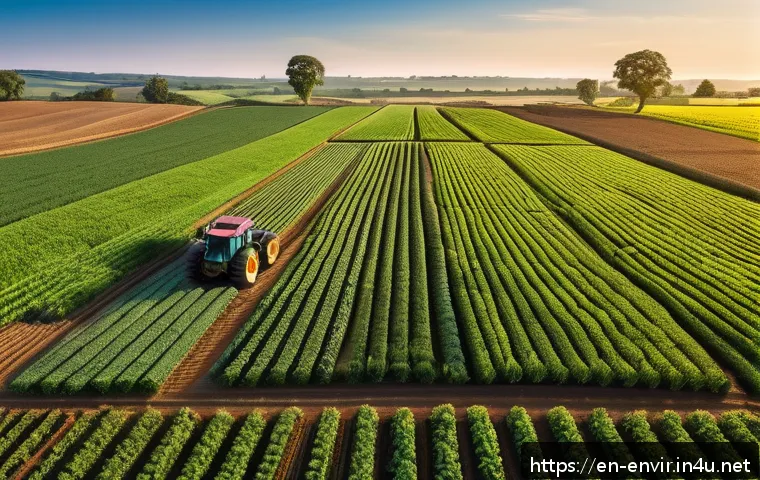
As climate change continues to challenge global food security, farmers are turning to innovative techniques that boost resilience and sustainability. From precision agriculture to regenerative practices, these advancements are transforming how we grow our food amidst unpredictable weather patterns.
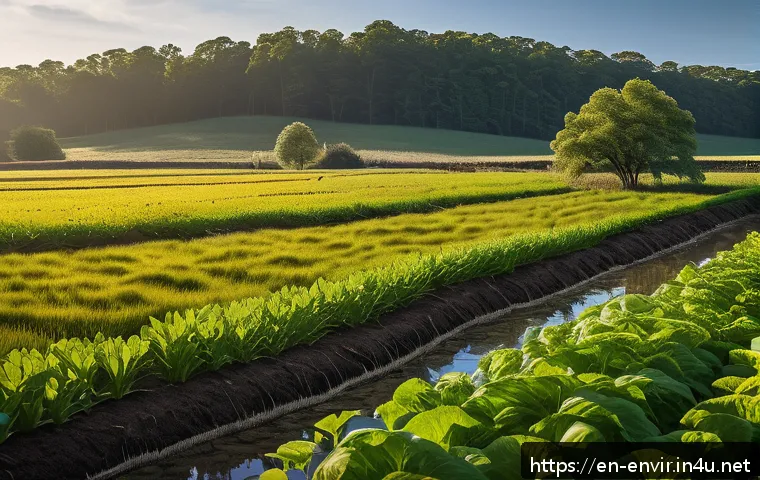
Having seen firsthand how technology can revitalize struggling farms, I’m excited to explore the cutting-edge methods helping agriculture adapt and thrive.
If you’re curious about the future of farming and how it intersects with climate solutions, this post will dive into the strategies shaping a more resilient agricultural landscape.
Let’s uncover how innovation is paving the way for a stable and sustainable food system.
Harnessing Smart Technology for Smarter Farming
Precision Agriculture: Tailoring Care for Every Crop
One of the most exciting shifts I’ve noticed on farms is the rise of precision agriculture. Rather than treating an entire field uniformly, farmers now use GPS-guided equipment and drones to analyze soil health, moisture levels, and nutrient needs in tiny sections.
This means they apply water, fertilizers, and pesticides only where necessary, drastically cutting waste and environmental impact. From personal experience visiting farms that adopted these tools, the difference is striking: healthier plants, reduced costs, and a visible drop in runoff pollution.
It feels like farming has become less guesswork and more science, which is crucial when weather patterns become so unpredictable.
Data-Driven Decisions: Beyond Just Gut Feeling
Farmers today are no longer relying solely on traditional wisdom; instead, they’re embracing data analytics platforms that compile weather forecasts, soil sensors, and crop growth models.
This integration allows for dynamic planning—knowing exactly when to plant, irrigate, or harvest based on real-time insights. I recall speaking with a farmer who credited his increased yields to a software tool that predicted rainfall down to the hour, enabling him to optimize irrigation and avoid water stress during dry spells.
This kind of foresight was unimaginable a decade ago, and it really showcases how technology can act as a farmer’s new best friend.
Automation and Robotics: Reducing Labor While Boosting Efficiency
Robotic harvesters and automated tractors are no longer sci-fi; they’re actively transforming farm labor dynamics. These machines not only reduce the strain on human workers but also maintain precision during planting and harvesting, reducing crop damage.
On a visit to a mid-sized farm using automated weeders, I observed how the machine selectively removed weeds without disturbing crops, saving time and cutting herbicide use significantly.
For farmers struggling with labor shortages, especially during peak seasons, this innovation is a real game-changer, making farming more sustainable and less physically taxing.
Regenerative Agriculture: Healing the Land for Long-Term Gains
Building Soil Health Naturally
Regenerative agriculture focuses on restoring the natural vitality of soil, which is foundational for resilience against climate stress. Techniques like cover cropping, crop rotation, and minimal tillage encourage organic matter buildup and microbial diversity.
I’ve seen firsthand how fields previously worn out after years of conventional farming began to flourish again when these practices were implemented. The soil’s ability to retain water improved, and crops seemed more resistant to drought and pests.
It’s a slower process but incredibly rewarding, as the land actually becomes more productive over time rather than depleted.
Integrating Livestock for Balanced Ecosystems
Rather than isolating livestock from crop production, many farmers are reintroducing grazing animals to their fields to naturally cycle nutrients and manage vegetation.
This symbiotic approach mimics natural ecosystems and reduces reliance on synthetic inputs. A farmer I know explained how rotating cattle through different pastures helped break pest cycles and improved forage quality, which in turn supported healthier soil.
It was fascinating to see how animals and plants together can create a sustainable loop that enhances farm resilience.
Carbon Sequestration: Farming as a Climate Solution
Beyond just producing food, regenerative practices contribute to capturing atmospheric carbon in soil, helping mitigate climate change. Farmers adopting these methods often participate in carbon credit programs, adding an economic incentive to environmental stewardship.
Watching this dual benefit in action, it struck me how agriculture can be part of the solution, not just a victim of climate impacts. It’s empowering to realize that through thoughtful land management, farmers can help stabilize the climate while securing their livelihoods.
Water Management Innovations for Unpredictable Weather
Smart Irrigation Systems: Saving Every Drop
Water scarcity is a growing concern, and smart irrigation technologies are proving invaluable. Systems equipped with soil moisture sensors and weather forecasting adjust watering schedules automatically, ensuring crops get exactly what they need without excess.
During a dry summer on a farm I visited, the smart irrigation system prevented overwatering and conserved thousands of gallons of water. The savings were not just environmental but also financial, as water bills dropped noticeably.
Rainwater Harvesting: Capturing Nature’s Gift
Many farms are installing rainwater collection systems to buffer against drought periods. These setups store runoff from roofs or fields in tanks or ponds, providing an alternative water source when rainfall is scarce.
I’ve seen these systems integrated with drip irrigation lines, creating a closed-loop that maximizes efficiency. It’s inspiring how simple infrastructure changes can dramatically improve water security on farms.
Drainage and Flood Control: Protecting Crops from Excess Water
While drought grabs headlines, intense storms can cause flooding that damages crops and soil. Innovative drainage solutions like raised beds, contour farming, and subsurface drains help manage excess water.
On a farm prone to flash floods, these techniques prevented soil erosion and crop loss, demonstrating how adapting to extremes on both ends of the water spectrum is vital.
Managing water wisely is no longer optional but essential for farm survival.
Crop Diversification and Resilient Varieties
Mixing It Up: Benefits of Crop Diversity
Instead of monocultures, many farmers are planting a diverse array of crops to spread risk and improve ecosystem health. This diversity supports beneficial insects, reduces disease spread, and improves soil fertility.
I remember a farmer who expanded from just corn to include legumes, vegetables, and even specialty grains. The varied harvests made the farm less vulnerable to market swings and climate shocks, creating a more stable income stream.
Breeding Climate-Resilient Crops
Plant breeders are working hard to develop varieties that tolerate heat, drought, and pests better than ever before. These crops can thrive where older varieties fail, offering hope for farmers facing harsher conditions.
Talking to a seed developer, I learned about efforts to enhance root systems and improve water-use efficiency in staple crops. These innovations provide a crucial lifeline, especially in regions where climate unpredictability threatens food production.
Seed Banks and Community Exchange
Seed saving and local exchange networks help preserve genetic diversity and share resilient varieties adapted to specific environments. Farmers involved in these grassroots efforts often report better success growing crops suited to their microclimates.
I’ve participated in seed swaps where stories and tips traveled alongside the seeds themselves, reinforcing community resilience and knowledge sharing that’s vital in uncertain times.
Empowering Farmers Through Education and Collaboration
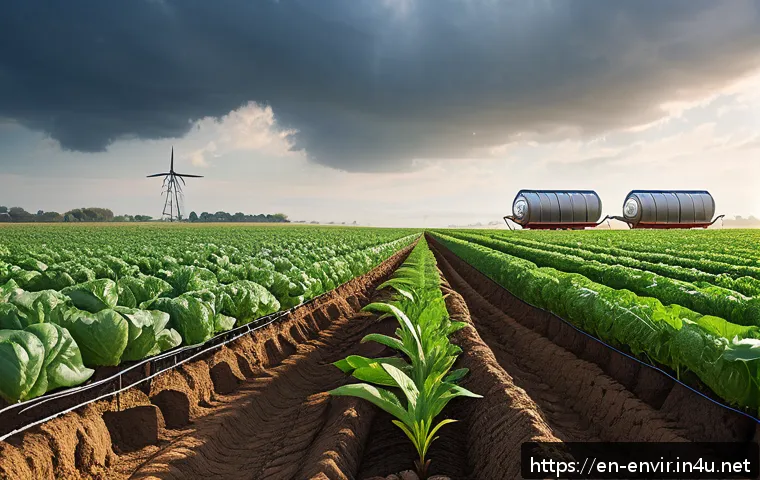
Access to Climate-Smart Training
The rapid pace of change means farmers need continuous education on new techniques and technologies. Extension programs, workshops, and online courses are stepping up to fill this gap.
I’ve attended sessions where experts break down complex concepts into practical steps, making adaptation more accessible. The enthusiasm and confidence farmers gain from these learning opportunities are palpable and often lead to immediate improvements on their farms.
Building Farmer Networks and Support Systems
Farmers no longer work in isolation; many are part of networks that facilitate knowledge exchange, resource sharing, and collective problem-solving. These communities provide emotional support as well as practical advice.
I’ve seen how peer-to-peer learning accelerates adoption of innovations and helps farmers navigate setbacks with resilience.
Leveraging Policy and Financial Incentives
Governments and organizations are increasingly offering grants, subsidies, and technical support to encourage sustainable practices. Navigating these resources can be daunting, but dedicated advisors help farmers access funds and comply with regulations.
From my conversations with farmers who’ve benefited from these programs, it’s clear that policy support is a critical piece of the adaptation puzzle, enabling investments in infrastructure and innovation.
Summary of Key Adaptation Strategies and Benefits
| Strategy | Description | Primary Benefit | Example Technology/Practice |
|---|---|---|---|
| Precision Agriculture | Targeted input application using GPS and sensors | Reduced waste and improved yields | Drones, GPS-guided tractors |
| Regenerative Agriculture | Soil health restoration through cover cropping and minimal tillage | Enhanced soil fertility and water retention | Cover crops, rotational grazing |
| Smart Irrigation | Automated watering based on moisture and weather data | Water conservation and cost savings | Soil moisture sensors, weather-based controllers |
| Crop Diversification | Growing multiple crop types to reduce risk | Increased resilience to pests and climate variability | Intercropping, multi-cropping systems |
| Climate-Resilient Varieties | Breeding crops tolerant to stress factors | Stable yields under adverse conditions | Drought-resistant seeds, pest-resistant cultivars |
| Farmer Networks | Collaborative knowledge and resource sharing | Accelerated innovation adoption and support | Peer groups, online forums, cooperatives |
Innovations in Pest and Disease Management
Biological Controls Over Chemicals
Instead of relying heavily on pesticides, farmers are increasingly using natural predators, parasites, and biopesticides to manage pests. This approach reduces chemical residues and supports biodiversity.
I’ve witnessed how introducing beneficial insects like ladybugs dramatically cut aphid populations without harming crops. These eco-friendly tactics not only protect the environment but often save money and reduce health risks for farmworkers.
Early Detection Through Digital Tools
Mobile apps and sensor technologies now help farmers detect pest outbreaks and disease symptoms early. This rapid identification allows for timely intervention, preventing large-scale damage.
A farmer I talked to credited a smartphone app with spotting fungal infections before they spread, enabling targeted treatment that saved the harvest.
These tools put powerful diagnostic capabilities right in the farmer’s pocket.
Integrated Pest Management (IPM) Strategies
IPM combines cultural, biological, and chemical methods to keep pest populations below damaging levels while minimizing environmental impact. Farmers who adopt IPM report healthier crops and soils, along with fewer pesticide applications.
The holistic nature of IPM aligns well with sustainable goals, and it’s encouraging to see more farmers embracing this balanced approach.
Renewable Energy and Farm Mechanization
Solar and Wind Power on Farms
Many farms are tapping into renewable energy sources to power irrigation pumps, machinery, and even processing facilities. Installing solar panels or small wind turbines reduces reliance on fossil fuels and cuts operating costs.
I visited a farm that runs its entire irrigation system on solar energy, which not only lowers bills but also ensures water delivery during grid outages—a critical advantage during extreme weather events.
Electric and Hybrid Farm Equipment
Emerging electric tractors and hybrid machines are gaining traction, offering quieter operation and lower emissions. Although the upfront investment can be steep, the long-term savings on fuel and maintenance are compelling.
Farmers I’ve spoken with appreciate the reduced noise pollution and smoother operation, which also benefits local wildlife and worker comfort.
Energy Efficiency and Storage Solutions
Combining renewable generation with battery storage enables farms to manage energy use more effectively, storing excess power for nighttime or cloudy days.
This flexibility is crucial for maintaining operations without interruption. Seeing a farm with a battery-backed solar system in action made me realize how energy independence can strengthen farm resilience in the face of climate uncertainties.
In Conclusion
Smart technology is transforming farming into a more efficient, sustainable, and resilient practice. By embracing precision tools, regenerative methods, and innovative water and energy management, farmers can better adapt to climate challenges while improving productivity. These advancements not only protect the environment but also enhance farmers’ livelihoods, proving that technology and nature can work hand in hand for a smarter future in agriculture.
Useful Information to Remember
1. Precision agriculture uses GPS and sensors to optimize resource use, reducing waste and boosting crop health.
2. Regenerative farming restores soil vitality naturally, improving water retention and resilience against pests and drought.
3. Smart irrigation systems adjust watering based on real-time data, conserving water and lowering costs.
4. Crop diversification and climate-resilient varieties help farmers manage risks and maintain stable yields.
5. Renewable energy and automated machinery reduce operational costs and environmental impact while increasing efficiency.
Key Takeaways
Adopting smart farming technologies and sustainable practices is essential for facing today’s unpredictable climate and market conditions. Farmers benefit greatly from combining data-driven decisions, ecological stewardship, and collaborative learning. These integrated approaches not only improve productivity but also contribute to environmental health and long-term farm viability. Staying informed and connected to support networks enables farmers to innovate and thrive amid ongoing challenges.
Frequently Asked Questions (FAQ) 📖
Q: What is precision agriculture, and how does it help farmers adapt to climate change?
A: Precision agriculture refers to using advanced technologies like GPS, sensors, and data analytics to monitor and manage crops with pinpoint accuracy. By tailoring inputs such as water, fertilizers, and pesticides to the specific needs of each plant or field section, farmers can reduce waste and improve efficiency.
From my experience, this approach not only conserves resources but also helps crops better withstand unpredictable weather, making farms more resilient to climate impacts.
Q: How do regenerative farming practices contribute to sustainability and food security?
A: Regenerative farming focuses on rebuilding soil health, enhancing biodiversity, and improving ecosystem functions through methods like cover cropping, no-till farming, and rotational grazing.
I’ve seen farmers who switched to these practices report richer soils and higher yields over time, even in challenging climates. By restoring natural cycles, regenerative agriculture locks in carbon, retains moisture, and supports long-term productivity, which is crucial for feeding a growing population amid climate uncertainty.
Q: Are these innovative farming techniques accessible for small-scale farmers, or are they mostly for large industrial operations?
A: While some technologies can seem costly or complex, many innovations are increasingly accessible to small-scale farmers. For example, smartphone apps and affordable sensors enable precise monitoring without huge investments.
Additionally, regenerative practices often rely more on knowledge and labor than expensive equipment, making them viable for smaller farms. From what I’ve observed, community support programs and cooperatives also help share resources and expertise, leveling the playing field for farmers of all sizes.