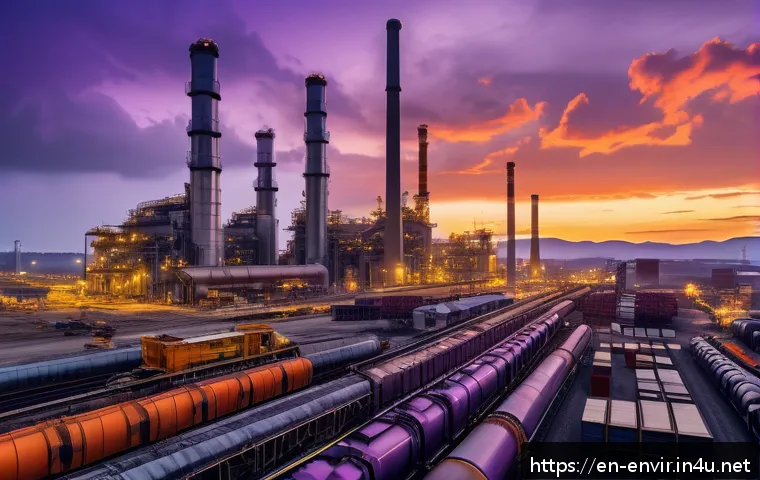
Lately, the conversation around climate change has intensified as extreme weather events become more frequent and severe. At the heart of this crisis lies industrialization, a powerful force that has shaped our modern world but also accelerated environmental damage.
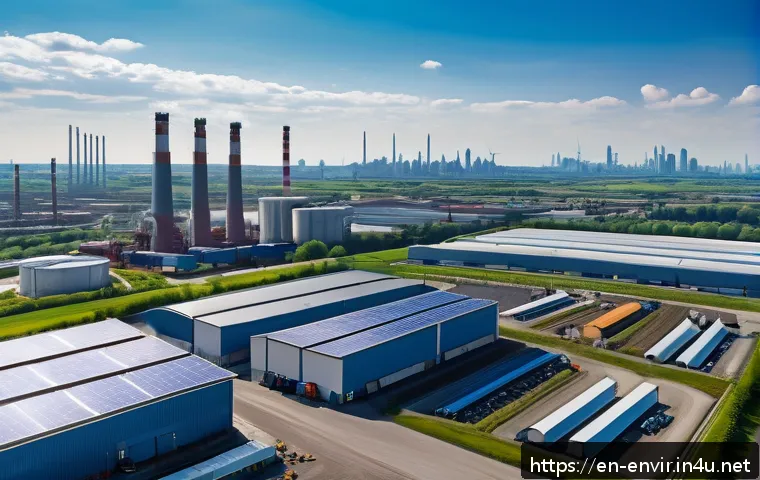
Understanding how industrial growth contributes to rising greenhouse gas emissions is crucial for grasping the challenges we face today. By exploring this connection, we can better appreciate the urgency of sustainable solutions that protect our planet’s future.
Stick around as we unravel the impact of industrialization on climate change and what it means for generations to come.
Tracing the Carbon Footprint of Industrial Expansion
How Manufacturing Drives Emissions
Manufacturing is at the core of industrial expansion and unfortunately, one of the biggest contributors to greenhouse gas emissions. The production of goods often requires burning fossil fuels, whether it’s coal, oil, or natural gas, to power factories and run machinery.
For instance, steel production alone accounts for a significant share of global CO2 emissions due to the energy-intensive processes involved. From my own observations visiting manufacturing plants, the sheer volume of energy consumed and the smoke stacks constantly emitting gases is eye-opening.
Beyond energy use, many manufacturing processes release other potent greenhouse gases like methane and nitrous oxide. These emissions accumulate quickly, pushing the atmospheric balance toward dangerous warming thresholds.
Energy Consumption Patterns in Industrial Sectors
The industrial sector’s energy consumption is not uniform; it varies widely depending on the type of industry and location. Heavy industries such as cement, chemicals, and metal smelting consume vast amounts of energy compared to light industries like textiles or electronics assembly.
In many parts of the world, industries still rely heavily on coal-fired power plants, which are among the dirtiest energy sources. This reliance exacerbates the carbon footprint of industrial activities.
In contrast, some regions are transitioning toward cleaner energy sources, but progress is uneven and often slowed by economic and political factors. I’ve noticed that industries that adopt energy-efficient technologies and renewable energy sources tend to have a smaller carbon footprint, which is encouraging but still far from widespread.
The Role of Industrial Transportation
Transportation linked to industrial activities—whether moving raw materials to factories or distributing finished products—adds another layer of emissions.
Heavy-duty trucks, cargo ships, and freight trains predominantly use diesel fuel, releasing large amounts of CO2 and other pollutants. The global supply chain, which underpins industrial production, can span continents and require multiple transportation modes, multiplying emissions.
From what I’ve experienced traveling to industrial hubs, the constant movement of goods is a massive energy drain. The challenge is that while some improvements like electrified railways and cleaner shipping fuels are emerging, the sector as a whole still leans heavily on fossil fuels.
Industrial Waste and Its Hidden Environmental Toll
Byproducts and Pollution Streams
Industrial processes generate vast amounts of waste, much of which ends up polluting the air, water, and soil. Chemical plants, paper mills, and refineries often discharge toxic substances that degrade ecosystems and harm human health.
For example, wastewater laden with heavy metals or organic pollutants can contaminate rivers and groundwater, affecting communities downstream. Having visited areas near industrial zones, I’ve seen firsthand the visible impacts—discolored water, dead fish, and even respiratory issues among residents.
This waste not only contributes indirectly to climate change by damaging natural carbon sinks like forests and wetlands but also raises urgent public health concerns.
Solid Waste and Landfill Emissions
Not all industrial waste is liquid or gaseous; solid waste from factories can accumulate in landfills, where organic materials decompose anaerobically, releasing methane, a greenhouse gas far more potent than CO2.
Industries producing food, paper, and textiles often contribute significant organic waste. In landfills, this methane emission is a hidden but critical driver of climate change.
I’ve learned that capturing landfill methane and converting it into usable energy is possible but not yet widely implemented, particularly in developing regions where waste management infrastructure is lacking.
The Challenge of Hazardous Waste Management
Some industries produce hazardous waste containing substances like heavy metals, solvents, and radioactive materials. Improper disposal or accidental leaks can cause long-term environmental damage and expose workers and nearby populations to serious health risks.
The complexity and cost of safely managing such waste often lead to shortcuts or illegal dumping. Based on reports from environmental watchdogs, this remains a persistent problem globally.
Addressing hazardous waste requires stringent regulations, effective monitoring, and investment in safer technologies, which not all industries or governments are willing or able to prioritize.
Energy Efficiency Innovations in Industrial Processes
Advanced Technologies Reducing Emissions
In recent years, industries have begun adopting new technologies designed to reduce energy use and emissions. Innovations like combined heat and power (CHP) systems, advanced sensors for process optimization, and carbon capture and storage (CCS) are gaining traction.
My conversations with engineers reveal that these technologies can dramatically lower an industrial plant’s carbon footprint, though initial investment costs can be a barrier.
For example, CCS can capture up to 90% of CO2 emissions from a power plant or factory, but scaling this up requires significant infrastructure and policy support.
Automation and Digitalization Benefits
Automation and digital technologies, including AI and IoT (Internet of Things), are transforming industrial operations by improving efficiency and reducing waste.
Smart sensors track energy consumption in real-time, allowing companies to identify inefficiencies and adjust processes instantly. From what I’ve seen in pilot projects, these technologies not only reduce emissions but also improve product quality and lower operational costs.
However, widespread adoption is still uneven, especially among small and medium-sized enterprises that may lack the resources or expertise.
Renewable Energy Integration in Industry
Integrating renewable energy sources such as solar, wind, and biomass into industrial operations is another promising trend. Some factories now install solar panels on-site or enter power purchase agreements for green electricity.
Biomass energy can replace fossil fuels in certain heating applications. I’ve visited facilities that run partially or fully on renewable energy, and the difference in emissions is striking.
While renewables can’t yet replace all energy needs in heavy industries, they represent a crucial step toward decarbonization and demonstrate the potential for cleaner industrial futures.
Global Industrial Emissions: A Comparative Overview
Regional Differences in Industrial Impact
Industrial emissions vary significantly across the globe, influenced by factors such as economic development, energy sources, and environmental regulations.
Developed regions like North America and Europe have seen some reductions in industrial emissions due to stricter policies and cleaner technologies. Meanwhile, rapidly industrializing countries in Asia and parts of Africa have experienced sharp increases as they expand manufacturing capacity.
From my research and travels, it’s clear that balancing economic growth and environmental responsibility is a major challenge for emerging economies.
International Agreements and Their Effectiveness
Global efforts to curb industrial emissions include agreements like the Paris Agreement, which sets targets for reducing greenhouse gases. Many countries have committed to industrial decarbonization pathways, but enforcement and compliance vary.
I’ve noticed that while some industries proactively pursue sustainability goals, others lag behind due to lack of incentives or political will. The effectiveness of these agreements depends heavily on transparent reporting, technology transfer, and financial support for developing nations.
The Role of Consumer Demand and Corporate Responsibility
Consumers increasingly demand environmentally responsible products, which pressures companies to reduce their industrial emissions. Corporate sustainability initiatives, including carbon neutrality pledges, are becoming more common.
From discussions with business leaders, it’s evident that public awareness and market trends play a key role in driving industrial change. However, greenwashing remains a concern, where companies exaggerate their environmental efforts without substantial impact.
Genuine progress requires accountability and third-party verification.
| Industry Sector | Primary Energy Source | Average CO2 Emissions (Metric Tons per Year) | Recent Efficiency Improvements | Challenges |
|---|---|---|---|---|
| Steel Production | Coal, Natural Gas | 1.8 Billion | Carbon Capture, Energy Recovery | High Energy Demand, Cost of CCS |
| Cement Manufacturing | Coal, Alternative Fuels | 2.2 Billion | Clinker Substitution, Process Optimization | Process Emissions, Scale of Production |
| Chemical Industry | Natural Gas, Electricity | 1.5 Billion | Electrification, Waste Heat Recovery | Complex Supply Chains, Toxic Waste |
| Textile Production | Electricity, Oil | 0.5 Billion | Water Recycling, LED Lighting | Water Pollution, Labor Costs |
| Food Processing | Electricity, Biomass | 0.7 Billion | Renewable Energy Use, Automation | Organic Waste, Packaging |
Urbanization and Industrial Growth: A Double-Edged Sword
City Expansion Fueling Industrial Demand
The rapid growth of urban areas has driven up demand for industrial products, from construction materials to consumer goods. Cities concentrate populations and economic activity, creating hubs for manufacturing and logistics.
On my visits to growing metropolitan areas, the contrast between booming construction sites and smoggy skies is striking. Urbanization intensifies resource consumption and waste generation, amplifying environmental pressures tied to industry.
Infrastructure Strains and Pollution Hotspots
Industrial zones near urban centers often become pollution hotspots due to dense concentrations of factories and transportation. The combined emissions from industry, vehicles, and buildings degrade air quality and contribute to health problems like asthma and cardiovascular disease.
Local governments face the difficult task of balancing economic growth with public health protections. I’ve seen cities experimenting with green zones and stricter emissions standards to tackle these issues, but progress can be slow and contentious.
Potential for Circular Economy Models in Cities
Cities also offer opportunities to implement circular economy principles, where waste is minimized and materials are reused. Industrial symbiosis—where the waste of one industry becomes the input for another—can reduce emissions and resource extraction.
In some urban industrial parks I’ve toured, companies collaborate closely to recycle byproducts and share energy resources. While not yet mainstream, such models hint at how urban-industrial systems might evolve sustainably.
Shifting Toward Sustainable Industrial Practices
Renewed Focus on Green Manufacturing
Sustainability has become a buzzword, but real green manufacturing involves redesigning processes to reduce emissions, waste, and water use. Techniques like lean manufacturing, eco-design, and life cycle assessment are gaining ground.
From my experience working with sustainability consultants, companies that embrace these approaches often see cost savings alongside environmental benefits.
However, integrating sustainability into existing industrial frameworks requires commitment and sometimes cultural change.
Government Policies and Incentives
Policy frameworks play a pivotal role in encouraging sustainable industrial practices. Tax breaks for clean technologies, carbon pricing, and mandatory emissions reporting are some tools governments use.
In regions where such policies are well enforced, industrial emissions tend to decrease more rapidly. Yet, policy inconsistencies and loopholes can undermine progress.
I’ve noticed that industries respond best when regulations are clear, stable, and paired with technical support.
Community Engagement and Transparency
Involving local communities in industrial decision-making builds trust and accountability. Public disclosure of emissions data and environmental impact assessments are increasingly demanded by citizens and advocacy groups.
Through interviews with community leaders near industrial sites, I’ve learned that transparency can lead to cooperative solutions and pressure industries to improve.
Sustainable industrial futures depend not only on technology and policy but also on social license to operate.
Future Prospects: Innovations and Challenges Ahead
Breakthroughs on the Horizon
Emerging technologies like green hydrogen, advanced biofuels, and AI-driven process optimization promise to revolutionize industrial emissions profiles.
I’ve followed pilot projects where hydrogen replaces fossil fuels in steelmaking or where AI algorithms optimize energy use in real time. These innovations could transform industries that have long been hard to decarbonize.
Still, scaling these technologies to global levels requires investment, infrastructure, and regulatory support.
Addressing Economic and Social Dimensions
The transition to low-carbon industry must also consider economic impacts on workers and communities. Job displacement and shifts in supply chains pose social challenges.
Based on discussions with labor experts, retraining programs and just transition strategies are critical to ensure no one is left behind. Balancing environmental goals with economic equity will define the success of industrial transformation.
Global Collaboration for a Sustainable Industrial Era
Because industrial emissions cross borders through trade and supply chains, international cooperation is essential. Sharing best practices, technology transfer, and joint climate commitments can accelerate progress.
My experience attending global forums highlights the importance of inclusive dialogue among governments, industries, and civil society. Only through coordinated efforts can the industrial sector become a driver of sustainable development rather than environmental degradation.
Conclusion
Industrial expansion undeniably plays a major role in global emissions, but there is growing momentum toward cleaner, more sustainable practices. By embracing innovative technologies, policy support, and community engagement, industries can reduce their environmental impact while maintaining economic growth. The path forward requires collaboration, transparency, and a commitment to change at every level. Together, we can work toward a future where industry and the environment coexist harmoniously.
Useful Information to Know
1. Energy-intensive industries like steel and cement production are among the largest sources of industrial CO2 emissions worldwide.
2. Adoption of advanced technologies such as carbon capture and digital optimization can significantly reduce emissions but often face financial and infrastructural barriers.
3. Industrial transportation contributes heavily to emissions, especially through diesel-powered freight, highlighting the need for cleaner logistics solutions.
4. Waste management, particularly of hazardous and organic industrial waste, remains a critical environmental challenge with implications for climate and public health.
5. Consumer demand and corporate responsibility increasingly drive industries to adopt greener practices, though transparency and accountability are essential to avoid greenwashing.
Key Takeaways
Understanding the multifaceted nature of industrial emissions—from energy use and waste to transportation and policy—is vital for effective mitigation. Progress depends on integrating technological innovation with strong regulatory frameworks and active community involvement. Sustainable industrial development must balance environmental priorities with economic and social considerations to ensure a just transition. Ultimately, global cooperation and shared responsibility will be the cornerstone of a resilient industrial future.
Frequently Asked Questions (FAQ) 📖
Q: How does industrialization contribute to climate change?
A: Industrialization has driven massive increases in greenhouse gas emissions, primarily through the burning of fossil fuels like coal, oil, and natural gas to power factories, transportation, and energy production.
This process releases large amounts of carbon dioxide and other heat-trapping gases into the atmosphere, intensifying the greenhouse effect and leading to global warming.
Additionally, industrial activities often involve deforestation and land-use changes, which reduce the planet’s capacity to absorb CO2, further worsening the problem.
Q: Why is it important to address industrial emissions when tackling climate change?
A: Industrial emissions are one of the largest sources of greenhouse gases worldwide, so targeting this sector is critical for meaningful progress in slowing climate change.
By improving energy efficiency, adopting cleaner technologies, and shifting to renewable energy, industries can significantly reduce their carbon footprint.
Addressing industrial emissions not only helps limit global temperature rise but also promotes healthier air quality and sustainable economic growth, benefiting both people and the planet.
Q: What are some sustainable solutions to reduce the environmental impact of industrialization?
A: Sustainable solutions include transitioning to renewable energy sources like wind, solar, and hydroelectric power, which produce little to no greenhouse gases.
Implementing energy-efficient manufacturing processes, recycling materials, and using green technologies also play key roles. On a policy level, governments can incentivize clean energy investments and enforce stricter emissions standards.
From personal experience, I’ve seen companies successfully cut costs and emissions by embracing these changes, proving that sustainability and profitability can go hand in hand.