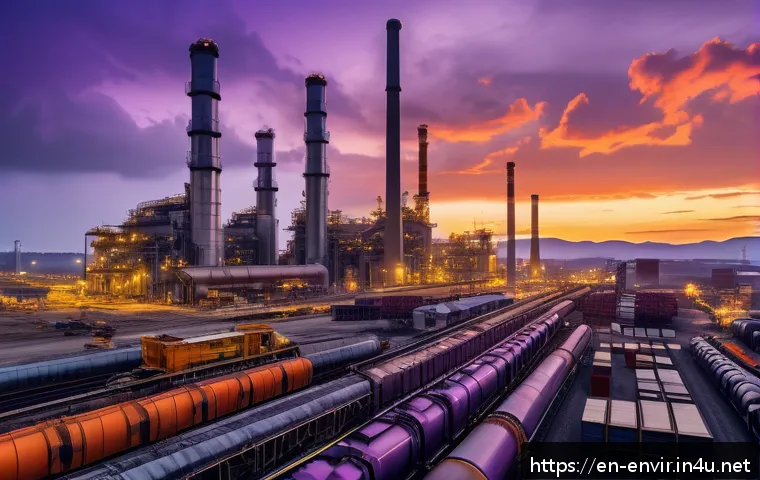
Climate change is no longer a distant threat; it’s a pressing reality reshaping our world every day. Governments, businesses, and communities worldwide are joining forces to develop strategies that not only reduce emissions but also build resilience against extreme weather events.

From cutting-edge renewable energy projects to innovative policy frameworks, these global efforts aim to safeguard our planet’s future. Understanding how these approaches work together can inspire us all to take meaningful action.
Let’s dive deeper into the most effective global strategies tackling climate change today!
Advancing Renewable Energy on a Global Scale
Expanding Wind and Solar Capacity Worldwide
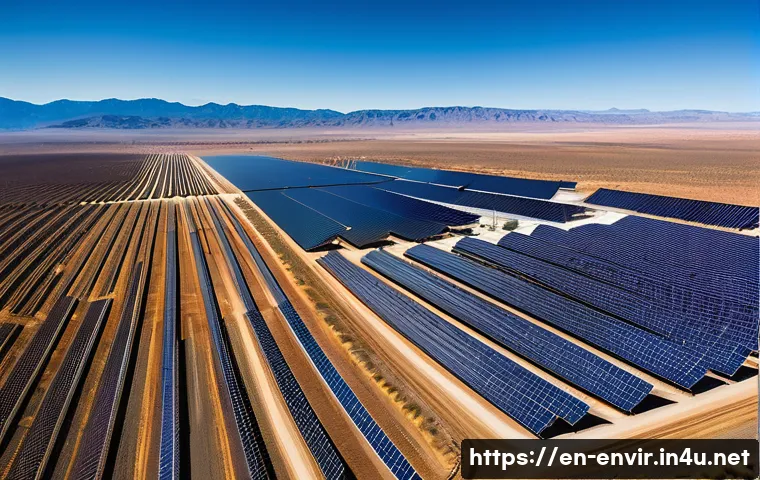
Countries around the world have been ramping up investments in wind and solar energy like never before. From sprawling solar farms in the American Southwest to massive offshore wind projects off the coasts of Europe and Asia, these renewable sources are rapidly replacing fossil fuels as the backbone of electricity generation.
I’ve noticed that places with abundant natural resources are leveraging them effectively, but even regions with less sun or wind are innovating with hybrid systems and energy storage to maintain a stable supply.
The real game-changer is how costs for solar panels and wind turbines have plummeted, making these options more accessible to developing nations, which historically faced barriers due to upfront expenses.
Battery Storage Innovations and Grid Modernization
A major challenge with renewables is their intermittent nature—sunlight and wind aren’t constant. That’s where advances in battery technology come in.
Lithium-ion batteries have become the standard, but newer technologies like solid-state batteries and flow batteries are promising longer life and higher capacity.
Upgrading electrical grids to smart grids is another essential step; these systems can dynamically balance supply and demand, integrate distributed energy sources, and even allow consumers to sell excess energy back to the grid.
In my own city, the introduction of smart meters and community solar projects has made a noticeable difference in both energy efficiency and consumer engagement.
Government Incentives and Private Sector Partnerships
Policy frameworks that support renewable energy deployment are crucial. Many governments offer tax credits, subsidies, and favorable loan terms to encourage investment.
What I find fascinating is the growing trend of public-private partnerships where corporations team up with municipalities to fund renewable infrastructure.
Tech giants, for example, are not only greening their operations but also investing in renewable projects that benefit the local communities where they operate.
This collaborative approach accelerates progress and spreads the benefits more equitably.
Building Climate-Resilient Infrastructure
Designing for Extreme Weather Events
With climate change increasing the frequency and severity of storms, floods, and wildfires, infrastructure resilience has become a top priority. New building codes now often require materials and designs that can withstand higher wind speeds or prolonged flooding.
Coastal cities, in particular, are investing in seawalls, flood barriers, and elevated structures to protect vulnerable populations. I’ve seen firsthand how neighborhoods that proactively retrofit their buildings suffer less damage during hurricanes compared to those relying on outdated standards.
Nature-Based Solutions and Urban Green Spaces
Integrating natural elements into urban planning is an effective way to mitigate climate risks while improving quality of life. Creating wetlands to absorb floodwaters, planting urban forests to cool cities, and restoring mangroves along coastlines all serve multiple purposes.
These nature-based solutions not only reduce vulnerability but also enhance biodiversity and carbon sequestration. In several cities I’ve visited, community-led tree planting initiatives have fostered environmental stewardship and social cohesion, proving that resilience can be a collective effort.
Emergency Preparedness and Community Engagement
Resilience is not just about physical infrastructure but also social preparedness. Governments and NGOs are increasingly focusing on educating communities about disaster response, early warning systems, and evacuation plans.
Technology plays a role here too, with mobile apps and SMS alerts reaching people quickly during emergencies. I recall a recent flood event where timely communication helped thousands evacuate safely, underscoring the importance of combining technology with local knowledge and trust.
Innovative Climate Policies Driving Change
Carbon Pricing and Emissions Trading Systems
Putting a price on carbon emissions has become a cornerstone of many national and regional climate strategies. Cap-and-trade programs and carbon taxes create financial incentives for companies to lower their carbon footprints.
From what I’ve observed, markets with well-designed carbon pricing mechanisms tend to see faster adoption of clean technologies and more efficient allocation of resources.
The challenge remains to balance economic growth with environmental goals, especially in sectors like manufacturing and transportation.
Regulatory Standards and Performance Targets
Governments are setting ambitious targets to reduce greenhouse gas emissions and improve energy efficiency. These include fuel economy standards for vehicles, renewable portfolio standards for utilities, and building energy codes.
What’s compelling is how some regions are linking these standards to incentives and penalties, making compliance more enforceable. The ripple effect is clear—companies anticipate stricter regulations and start innovating ahead of time, pushing the entire market toward sustainability.
International Collaboration and Climate Finance
Climate change is a global issue requiring coordinated responses. International agreements like the Paris Accord set common goals, while climate finance mechanisms help channel funds to developing countries for mitigation and adaptation projects.
I’ve followed how institutions like the Green Climate Fund work to provide grants and loans that enable vulnerable nations to leapfrog to cleaner technologies.
This kind of global solidarity is essential, though it demands transparency and accountability to ensure funds are used effectively.
Transforming Transportation for a Low-Carbon Future
Electrification of Vehicles and Public Transit
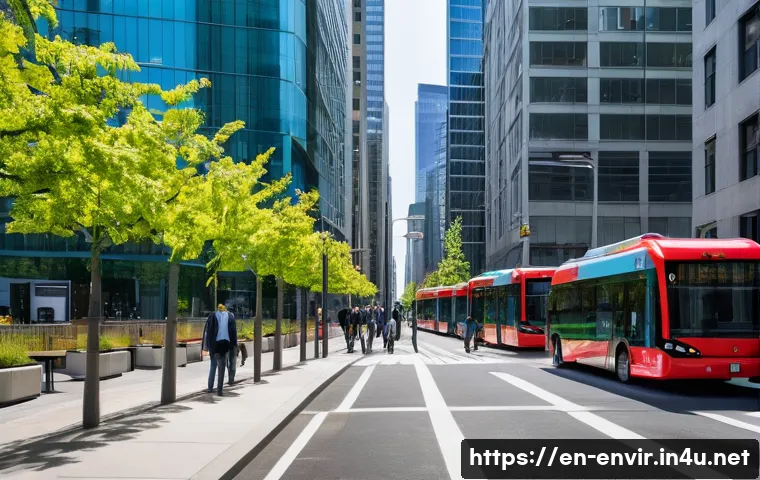
Transportation is a major source of emissions, and shifting away from fossil-fuel-powered vehicles is critical. Electric cars, buses, and even trucks are becoming more common thanks to improved battery technology and expanding charging networks.
I’ve noticed that cities investing in electric public transit not only reduce air pollution but also create quieter, more pleasant urban environments.
The upfront costs can be high, but the long-term savings and health benefits make the transition worthwhile.
Promoting Active and Shared Mobility
Encouraging walking, cycling, and shared mobility options like carpooling and ride-sharing helps reduce the number of vehicles on the road. Infrastructure investments such as bike lanes, pedestrian zones, and integrated transit hubs make these choices more viable and attractive.
Personally, switching to a bike for short commutes has been a game-changer in my daily routine—less traffic stress and a boost in fitness. Cities that prioritize these modes often see improved traffic flow and lower emissions.
Alternative Fuels and Sustainable Aviation
For sectors where electrification is more challenging, such as aviation and shipping, alternative fuels like biofuels, hydrogen, and synthetic fuels are being developed.
Airlines are experimenting with sustainable aviation fuels (SAFs) that can cut carbon emissions significantly. While these technologies are still emerging and sometimes costly, the potential to decarbonize long-distance travel is exciting.
The key will be scaling production and ensuring sustainability throughout the fuel lifecycle.
Empowering Communities through Climate Education and Action
Raising Awareness and Fostering Behavioral Change
Changing individual and collective behaviors is a powerful lever for climate action. Educational programs in schools, public campaigns, and social media initiatives help people understand their carbon footprint and ways to reduce it.
I’ve found that when communities engage in hands-on activities like tree planting or energy audits, the lessons stick better and inspire ongoing commitment.
It’s about turning knowledge into habits that support sustainability.
Supporting Local Climate Initiatives
Grassroots movements and local governments often lead the way in implementing practical solutions tailored to their unique contexts. Whether it’s community solar projects, urban gardens, or waste reduction campaigns, these efforts build resilience from the ground up.
I’ve seen local leaders who are passionate about climate issues rally neighbors and businesses to collaborate, creating a sense of shared purpose that transcends political divides.
Leveraging Technology for Citizen Engagement
Digital platforms enable greater participation in climate governance and monitoring. Apps that track personal energy use, crowdsourcing environmental data, and online forums for policy input empower citizens to take an active role.
In my experience, these tools foster transparency and trust, making climate action feel more accessible and immediate. When people see their contributions making a difference, motivation grows exponentially.
Economic Transformation through Sustainable Innovation
Green Jobs and Workforce Development
The transition to a low-carbon economy is creating a surge in green jobs across sectors like renewable energy, energy efficiency, and sustainable agriculture.
Training programs and apprenticeships are essential to equip workers with new skills. I’ve talked to professionals who shifted careers into clean tech and found it rewarding both financially and ethically.
Supporting workforce development ensures that economic benefits are broadly shared and that no one is left behind.
Corporate Sustainability and ESG Integration
Environmental, Social, and Governance (ESG) criteria are increasingly embedded in corporate strategies and investment decisions. Companies that prioritize sustainability often outperform peers by managing risks better and capturing new market opportunities.
From my perspective, transparency through ESG reporting holds businesses accountable and builds consumer trust. It’s encouraging to see more firms setting science-based targets aligned with global climate goals.
Financing Green Innovation and Circular Economy
Access to capital for sustainable projects is growing, driven by impact investors, green bonds, and blended finance models. Circular economy principles—reducing waste by reusing and recycling materials—are also gaining traction as a way to decouple growth from resource depletion.
I’ve observed startups pioneering breakthrough technologies that make resource use more efficient and less polluting, proving that sustainability and profitability can go hand in hand.
| Strategy | Key Actions | Benefits | Challenges |
|---|---|---|---|
| Renewable Energy Expansion | Build solar/wind farms, improve battery storage, modernize grids | Lower emissions, energy security, cost reductions | Intermittency, infrastructure costs, resource availability |
| Climate-Resilient Infrastructure | Update building codes, invest in flood defenses, nature-based solutions | Reduced disaster impact, biodiversity enhancement, community safety | Funding gaps, coordination complexity, long timelines |
| Climate Policy and Finance | Carbon pricing, emissions targets, international funding | Market incentives, innovation drive, global cooperation | Political resistance, equity concerns, enforcement difficulties |
| Transport Transformation | Electrify fleets, promote active transport, develop alternative fuels | Lower pollution, healthier cities, new industries | Infrastructure needs, technology maturity, behavioral shifts |
| Community Engagement | Education programs, local initiatives, digital participation | Behavior change, social cohesion, empowerment | Information overload, funding, sustained interest |
| Economic Innovation | Green jobs training, ESG integration, circular economy finance | Economic growth, job creation, resource efficiency | Skill gaps, measurement challenges, market adoption |
Closing Thoughts
Advancing renewable energy and building climate resilience are no longer optional but essential for our planet’s future. The combined efforts of governments, private sectors, and communities are driving meaningful progress. By embracing innovation and collaboration, we can create a sustainable and equitable world. It’s clear that every action counts, and the momentum for change is stronger than ever.
Useful Information to Keep in Mind
1. Renewable energy costs have dropped significantly, making clean power accessible to more regions globally.
2. Battery storage and smart grids are key to managing the variability of wind and solar energy efficiently.
3. Public-private partnerships accelerate renewable infrastructure development and ensure community benefits.
4. Nature-based solutions not only protect against climate impacts but also improve urban livability and biodiversity.
5. Technology-driven citizen engagement empowers individuals to contribute actively to climate action.
Key Takeaways
To effectively combat climate change, expanding renewable energy capacity must be paired with modernized infrastructure and supportive policies. Integrating community involvement and innovative financing ensures both environmental and economic sustainability. Transportation transformation and workforce development are critical pillars of a low-carbon future. Ultimately, success depends on coordinated efforts that balance technological advances with social equity and resilience.
Frequently Asked Questions (FAQ) 📖
Q: What are the most effective global strategies currently being used to combat climate change?
A: The leading strategies include accelerating the transition to renewable energy sources like solar and wind, implementing carbon pricing to incentivize emission reductions, and enhancing energy efficiency across industries.
Additionally, many countries are investing in climate-resilient infrastructure to withstand extreme weather events. These approaches work in synergy—renewables cut emissions, pricing discourages pollution, and resilient infrastructure protects communities.
From my experience following global initiatives, the most successful efforts are those combining policy innovation with technological advancements and community engagement.
Q: How do renewable energy projects contribute to building resilience against climate change?
A: Renewable energy projects not only reduce greenhouse gas emissions but also strengthen energy security and reduce dependence on fossil fuels, which are vulnerable to price shocks and supply disruptions.
For example, decentralized solar power systems can keep critical services running during extreme weather or grid failures. I’ve seen firsthand how communities with access to local renewable energy sources recover faster after storms or heatwaves, making these projects a dual win: they fight climate change and boost local resilience simultaneously.
Q: Why is collaboration between governments, businesses, and communities essential in addressing climate change?
A: Climate change is a complex, global challenge that no single sector can solve alone. Governments set regulations and provide funding, businesses innovate and scale sustainable technologies, and communities drive grassroots action and hold stakeholders accountable.
When these groups collaborate, resources and expertise align to create impactful solutions. From my observations, successful climate initiatives often emerge where this triple partnership exists, because it blends top-down policy with bottom-up engagement, ensuring both reach and relevance.