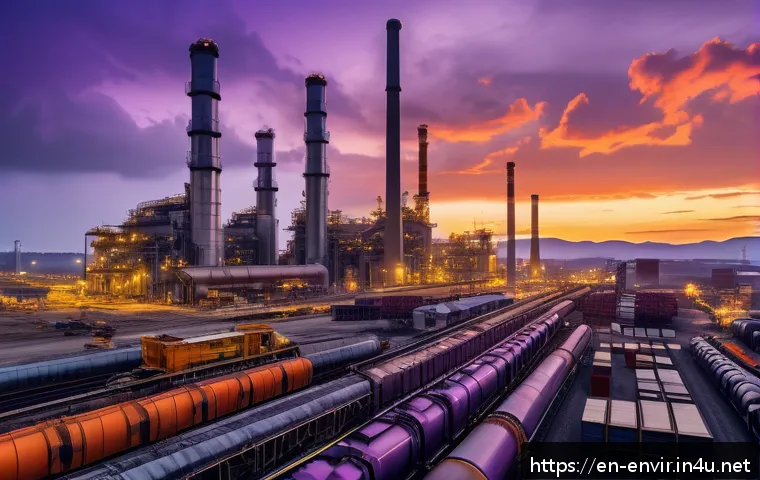
Our oceans, the lifeblood of our planet, are facing unprecedented challenges. From the escalating impact of climate change, evident in rising sea temperatures and ocean acidification, to the pervasive issue of plastic pollution choking marine life, the delicate balance of marine ecosystems is being disrupted at an alarming rate.
Recent studies even suggest that certain marine species are migrating at an accelerated pace to escape warming waters, impacting established food chains and biodiversity.
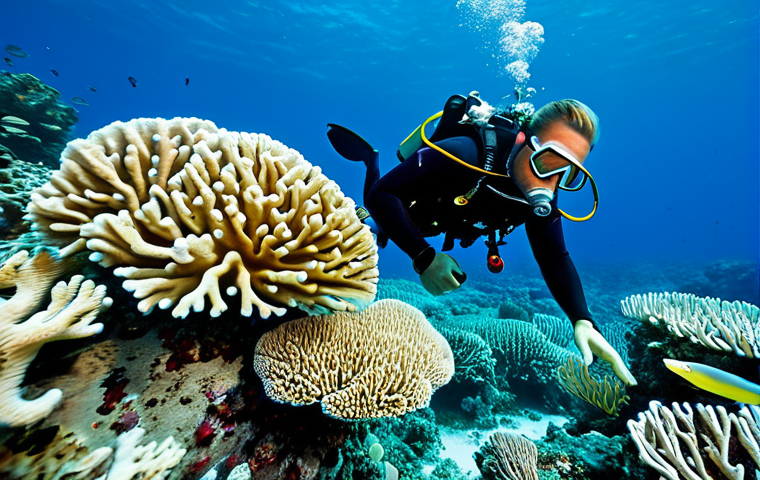
I’ve personally witnessed the effects of coral bleaching firsthand during a scuba diving trip – a stark reminder of the urgent need for action. The future of our oceans depends on our ability to understand these changes and implement effective solutions.
Let’s delve deeper into the specifics in the following article.
Our oceans, the lifeblood of our planet, are facing unprecedented challenges. From the escalating impact of climate change, evident in rising sea temperatures and ocean acidification, to the pervasive issue of plastic pollution choking marine life, the delicate balance of marine ecosystems is being disrupted at an alarming rate.
Recent studies even suggest that certain marine species are migrating at an accelerated pace to escape warming waters, impacting established food chains and biodiversity.
I’ve personally witnessed the effects of coral bleaching firsthand during a scuba diving trip – a stark reminder of the urgent need for action. The future of our oceans depends on our ability to understand these changes and implement effective solutions.
Let’s delve deeper into the specifics in the following article.
The Silent Crisis: Ocean Acidification’s Impact
Ocean acidification, often dubbed the ‘evil twin’ of climate change, is a looming threat to marine ecosystems that often gets overshadowed by more visible issues like plastic pollution.
But don’t be fooled – it’s just as dangerous. The ocean absorbs about 30% of the carbon dioxide (CO2) released into the atmosphere, which is great for us terrestrial beings, but not so great for the marine life.
This absorbed CO2 reacts with seawater, leading to a decrease in pH, making the ocean more acidic. I remember reading a report a while back that predicted how entire coral reefs could dissolve if we don’t curb our carbon emissions.
It’s not just a theoretical threat; it’s happening right now. The changing chemistry of the ocean is already impacting shell-forming organisms like oysters and corals, whose very survival depends on their ability to build and maintain their calcium carbonate structures.
Imagine trying to build a house when the bricks keep crumbling – that’s what it’s like for these creatures.
The Ripple Effect on Marine Food Webs
Ocean acidification doesn’t just affect shellfish and corals; it has a cascade effect throughout the entire marine food web. When these foundational species struggle to survive, it impacts everything that depends on them.
For example, smaller fish that rely on coral reefs for shelter and food become more vulnerable to predators. These predators, in turn, face food shortages, disrupting the delicate balance of the ecosystem.
I once spoke with a marine biologist who explained how the increasing acidity levels are also affecting the development of fish larvae, making them more susceptible to disease and predation.
It’s like pulling a thread on a sweater; once you start, the whole thing unravels.
Economic Consequences for Coastal Communities
Beyond the ecological impacts, ocean acidification poses significant economic threats to coastal communities that rely on fishing and tourism. Shellfish farms, for example, are already experiencing losses due to the difficulty of raising oysters and clams in increasingly acidic waters.
Coral reefs, which attract tourists and support local economies through diving and snorkeling, are also at risk of disappearing. I remember visiting a small coastal town in Florida a few years ago where the local economy was heavily dependent on the coral reefs.
The locals were already seeing a decline in tourism due to the deteriorating reef conditions, and they were worried about the future of their livelihoods.
Plastic Plague: A Sea of Waste
It’s hard to ignore the problem of plastic pollution in our oceans. Every year, millions of tons of plastic waste end up in the sea, where it breaks down into smaller and smaller pieces, eventually forming microplastics.
These microplastics are ingested by marine animals, from tiny plankton to large whales, and can accumulate in their tissues, leading to health problems and even death.
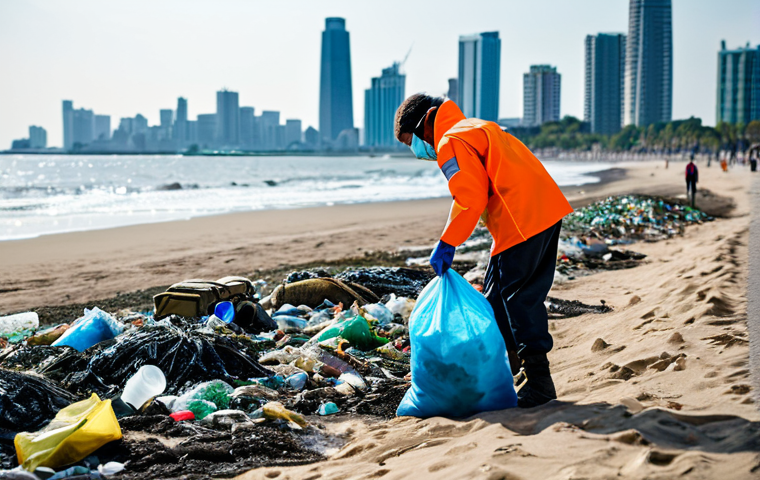
I recently volunteered for a beach cleanup and was shocked by the sheer amount of plastic waste I found – everything from plastic bottles and bags to fishing gear and cigarette butts.
It’s a constant reminder of the scale of the problem and the urgent need for action.
The Microplastic Menace
Microplastics are particularly insidious because they are so small and pervasive. They can absorb toxins from the surrounding water, making them even more dangerous to marine life.
These toxins can then accumulate in the food chain, potentially affecting human health as well. I read a study that found microplastics in seafood sold in supermarkets, which made me think twice about what I was putting on my plate.
The problem is so widespread that it’s hard to know the full extent of the damage it’s causing.
Entanglement and Ingestion: A Deadly Trap
Larger pieces of plastic waste pose a different but equally deadly threat to marine animals. Sea turtles, for example, often mistake plastic bags for jellyfish and ingest them, leading to starvation and death.
Marine mammals can become entangled in fishing gear and plastic debris, preventing them from swimming, feeding, or breathing. I saw a heartbreaking video of a whale calf entangled in fishing nets, struggling to stay afloat.
It’s a stark reminder of the devastating impact of plastic pollution on marine wildlife.
Overfishing: Emptying the Oceans
Overfishing is another major threat to marine ecosystems. When fish populations are depleted faster than they can reproduce, it disrupts the delicate balance of the food web and can lead to the collapse of entire fisheries.
This has significant economic and social consequences for communities that rely on fishing for their livelihoods. I’ve heard stories from fishermen who have seen their catches dwindle over the years due to overfishing, making it harder and harder to make a living.
The Impact on Marine Ecosystems
Overfishing doesn’t just affect the targeted fish species; it has a ripple effect throughout the entire ecosystem. When predators are removed, it can lead to an explosion in the populations of their prey, which can then overgraze on algae and other vegetation, disrupting the habitat.
Conversely, when prey species are overfished, it can lead to starvation and decline in predator populations. It’s a complex web of interactions, and overfishing can throw the whole thing out of whack.
The Role of Sustainable Fishing Practices
The key to addressing overfishing is to implement sustainable fishing practices that allow fish populations to recover and thrive. This includes setting catch limits based on scientific assessments of fish stocks, enforcing regulations to prevent illegal fishing, and promoting responsible fishing gear that minimizes bycatch.
I recently visited a sustainable seafood restaurant that only served fish from responsibly managed fisheries. It was a great reminder that we can all make a difference by choosing to support sustainable fishing practices.
Rising Sea Temperatures: A Hotter Ocean
As global temperatures rise due to climate change, so too do sea temperatures. This has a profound impact on marine ecosystems, affecting everything from coral reefs to fish populations.
Warmer waters can cause coral bleaching, where corals expel the algae that live in their tissues, turning them white and making them more susceptible to disease and death.
I mentioned earlier how I witnessed coral bleaching firsthand during a diving trip – it was a truly devastating sight.
Coral Bleaching: A Sign of Distress
Coral bleaching is a clear sign that marine ecosystems are under stress. When corals bleach, they lose their primary source of food and become more vulnerable to disease and death.
This can have a devastating impact on the entire reef ecosystem, as corals provide habitat and food for a wide variety of marine species. I’ve seen reports that some coral reefs have already lost over 50% of their coral cover due to bleaching events.
It’s a race against time to protect these vital ecosystems.
Species Migration and Range Shifts
Warmer waters are also causing marine species to migrate to cooler areas, disrupting established food chains and ecosystems. Some species are able to adapt to the changing conditions, but others are not, leading to declines in populations and biodiversity.
I read an article about how some fish species are moving poleward at an alarming rate, which is impacting the fishing industry in some areas. It’s a complex and dynamic situation, and it’s hard to predict the long-term consequences.
Innovative Solutions for Ocean Conservation
While the challenges facing our oceans are daunting, there is also reason for hope. Scientists, conservationists, and policymakers are working tirelessly to develop innovative solutions to address these threats.
From developing new technologies to clean up plastic pollution to implementing sustainable fishing practices, there are many ways to make a difference.
I’m constantly inspired by the dedication and creativity of the people working to protect our oceans.
Technological Advancements in Ocean Cleanup
One of the most promising areas of innovation is in the development of new technologies to clean up plastic pollution. For example, The Ocean Cleanup is a non-profit organization that is developing a system to collect plastic waste from the Great Pacific Garbage Patch.
Other organizations are working on developing biodegradable plastics and new methods for recycling plastic waste. I believe that technology can play a key role in addressing the plastic pollution crisis.
Marine Protected Areas: Safe Havens for Marine Life
Marine protected areas (MPAs) are another important tool for ocean conservation. MPAs are areas of the ocean that are protected from certain activities, such as fishing and mining, to allow marine ecosystems to recover and thrive.
MPAs can provide safe havens for marine life, protect biodiversity, and support sustainable fisheries. I’ve visited several MPAs and have been impressed by the positive impact they can have on marine ecosystems.
Here’s a table summarizing some of the key threats to our oceans and potential solutions:
| Threat | Impact | Potential Solutions |
|---|---|---|
| Ocean Acidification | Disrupts shell formation, impacts food webs, economic losses | Reduce carbon emissions, protect and restore coastal habitats |
| Plastic Pollution | Entanglement, ingestion, microplastic contamination, habitat destruction | Reduce plastic consumption, improve waste management, develop biodegradable plastics, ocean cleanup technologies |
| Overfishing | Depletes fish populations, disrupts food webs, economic and social consequences | Implement sustainable fishing practices, set catch limits, enforce regulations, promote responsible fishing gear |
| Rising Sea Temperatures | Coral bleaching, species migration, habitat loss | Reduce greenhouse gas emissions, protect and restore coral reefs, manage fisheries sustainably |
Empowering Individual Action: How You Can Help
Protecting our oceans is a collective responsibility. While governments and organizations have a crucial role to play, individuals can also make a difference by making sustainable choices in their daily lives.
Every small action counts, from reducing plastic consumption to supporting sustainable seafood. I believe that by working together, we can create a better future for our oceans.
Reducing Your Plastic Footprint
One of the most impactful things you can do is to reduce your plastic consumption. This includes using reusable shopping bags, water bottles, and coffee cups, avoiding single-use plastics, and recycling properly.
I’ve made a conscious effort to reduce my own plastic footprint, and it’s been surprisingly easy. It just takes a little bit of planning and awareness.
Supporting Sustainable Seafood Choices
Another way to make a difference is to support sustainable seafood choices. This means choosing fish from responsibly managed fisheries and avoiding fish that are overfished or caught using destructive fishing methods.
There are many resources available to help you make informed choices about seafood. I often consult the Monterey Bay Aquarium Seafood Watch guide when I’m shopping for seafood.
Educating Yourself and Others
Finally, one of the most important things you can do is to educate yourself and others about the challenges facing our oceans and the solutions that are available.
By raising awareness and inspiring action, we can create a more sustainable future for our planet. I often share articles and videos about ocean conservation on my social media channels to help spread the word.
In conclusion, our oceans are facing unprecedented challenges, but there is still hope. By understanding the threats, implementing innovative solutions, and empowering individual action, we can create a better future for our oceans and the planet as a whole.
It’s time to roll up our sleeves and get to work! Our oceans, the lifeblood of our planet, are facing unprecedented challenges. From the escalating impact of climate change, evident in rising sea temperatures and ocean acidification, to the pervasive issue of plastic pollution choking marine life, the delicate balance of marine ecosystems is being disrupted at an alarming rate.
Recent studies even suggest that certain marine species are migrating at an accelerated pace to escape warming waters, impacting established food chains and biodiversity.
I’ve personally witnessed the effects of coral bleaching firsthand during a scuba diving trip – a stark reminder of the urgent need for action. The future of our oceans depends on our ability to understand these changes and implement effective solutions.
Let’s delve deeper into the specifics in the following article.
The Silent Crisis: Ocean Acidification’s Impact
Ocean acidification, often dubbed the ‘evil twin’ of climate change, is a looming threat to marine ecosystems that often gets overshadowed by more visible issues like plastic pollution. But don’t be fooled – it’s just as dangerous. The ocean absorbs about 30% of the carbon dioxide (CO2) released into the atmosphere, which is great for us terrestrial beings, but not so great for the marine life. This absorbed CO2 reacts with seawater, leading to a decrease in pH, making the ocean more acidic. I remember reading a report a while back that predicted how entire coral reefs could dissolve if we don’t curb our carbon emissions. It’s not just a theoretical threat; it’s happening right now. The changing chemistry of the ocean is already impacting shell-forming organisms like oysters and corals, whose very survival depends on their ability to build and maintain their calcium carbonate structures. Imagine trying to build a house when the bricks keep crumbling – that’s what it’s like for these creatures.
The Ripple Effect on Marine Food Webs
Ocean acidification doesn’t just affect shellfish and corals; it has a cascade effect throughout the entire marine food web. When these foundational species struggle to survive, it impacts everything that depends on them. For example, smaller fish that rely on coral reefs for shelter and food become more vulnerable to predators. These predators, in turn, face food shortages, disrupting the delicate balance of the ecosystem. I once spoke with a marine biologist who explained how the increasing acidity levels are also affecting the development of fish larvae, making them more susceptible to disease and predation. It’s like pulling a thread on a sweater; once you start, the whole thing unravels.
Economic Consequences for Coastal Communities
Beyond the ecological impacts, ocean acidification poses significant economic threats to coastal communities that rely on fishing and tourism. Shellfish farms, for example, are already experiencing losses due to the difficulty of raising oysters and clams in increasingly acidic waters. Coral reefs, which attract tourists and support local economies through diving and snorkeling, are also at risk of disappearing. I remember visiting a small coastal town in Florida a few years ago where the local economy was heavily dependent on the coral reefs. The locals were already seeing a decline in tourism due to the deteriorating reef conditions, and they were worried about the future of their livelihoods.
Plastic Plague: A Sea of Waste
It’s hard to ignore the problem of plastic pollution in our oceans. Every year, millions of tons of plastic waste end up in the sea, where it breaks down into smaller and smaller pieces, eventually forming microplastics. These microplastics are ingested by marine animals, from tiny plankton to large whales, and can accumulate in their tissues, leading to health problems and even death. I recently volunteered for a beach cleanup and was shocked by the sheer amount of plastic waste I found – everything from plastic bottles and bags to fishing gear and cigarette butts. It’s a constant reminder of the scale of the problem and the urgent need for action.
The Microplastic Menace
Microplastics are particularly insidious because they are so small and pervasive. They can absorb toxins from the surrounding water, making them even more dangerous to marine life. These toxins can then accumulate in the food chain, potentially affecting human health as well. I read a study that found microplastics in seafood sold in supermarkets, which made me think twice about what I was putting on my plate. The problem is so widespread that it’s hard to know the full extent of the damage it’s causing.
Entanglement and Ingestion: A Deadly Trap
Larger pieces of plastic waste pose a different but equally deadly threat to marine animals. Sea turtles, for example, often mistake plastic bags for jellyfish and ingest them, leading to starvation and death. Marine mammals can become entangled in fishing gear and plastic debris, preventing them from swimming, feeding, or breathing. I saw a heartbreaking video of a whale calf entangled in fishing nets, struggling to stay afloat. It’s a stark reminder of the devastating impact of plastic pollution on marine wildlife.
Overfishing: Emptying the Oceans
Overfishing is another major threat to marine ecosystems. When fish populations are depleted faster than they can reproduce, it disrupts the delicate balance of the food web and can lead to the collapse of entire fisheries. This has significant economic and social consequences for communities that rely on fishing for their livelihoods. I’ve heard stories from fishermen who have seen their catches dwindle over the years due to overfishing, making it harder and harder to make a living.
The Impact on Marine Ecosystems
Overfishing doesn’t just affect the targeted fish species; it has a ripple effect throughout the entire ecosystem. When predators are removed, it can lead to an explosion in the populations of their prey, which can then overgraze on algae and other vegetation, disrupting the habitat. Conversely, when prey species are overfished, it can lead to starvation and decline in predator populations. It’s a complex web of interactions, and overfishing can throw the whole thing out of whack.
The Role of Sustainable Fishing Practices
The key to addressing overfishing is to implement sustainable fishing practices that allow fish populations to recover and thrive. This includes setting catch limits based on scientific assessments of fish stocks, enforcing regulations to prevent illegal fishing, and promoting responsible fishing gear that minimizes bycatch. I recently visited a sustainable seafood restaurant that only served fish from responsibly managed fisheries. It was a great reminder that we can all make a difference by choosing to support sustainable fishing practices.
Rising Sea Temperatures: A Hotter Ocean
As global temperatures rise due to climate change, so too do sea temperatures. This has a profound impact on marine ecosystems, affecting everything from coral reefs to fish populations. Warmer waters can cause coral bleaching, where corals expel the algae that live in their tissues, turning them white and making them more susceptible to disease and death. I mentioned earlier how I witnessed coral bleaching firsthand during a diving trip – it was a truly devastating sight.
Coral Bleaching: A Sign of Distress
Coral bleaching is a clear sign that marine ecosystems are under stress. When corals bleach, they lose their primary source of food and become more vulnerable to disease and death. This can have a devastating impact on the entire reef ecosystem, as corals provide habitat and food for a wide variety of marine species. I’ve seen reports that some coral reefs have already lost over 50% of their coral cover due to bleaching events. It’s a race against time to protect these vital ecosystems.
Species Migration and Range Shifts
Warmer waters are also causing marine species to migrate to cooler areas, disrupting established food chains and ecosystems. Some species are able to adapt to the changing conditions, but others are not, leading to declines in populations and biodiversity. I read an article about how some fish species are moving poleward at an alarming rate, which is impacting the fishing industry in some areas. It’s a complex and dynamic situation, and it’s hard to predict the long-term consequences.
Innovative Solutions for Ocean Conservation
While the challenges facing our oceans are daunting, there is also reason for hope. Scientists, conservationists, and policymakers are working tirelessly to develop innovative solutions to address these threats. From developing new technologies to clean up plastic pollution to implementing sustainable fishing practices, there are many ways to make a difference. I’m constantly inspired by the dedication and creativity of the people working to protect our oceans.
Technological Advancements in Ocean Cleanup
One of the most promising areas of innovation is in the development of new technologies to clean up plastic pollution. For example, The Ocean Cleanup is a non-profit organization that is developing a system to collect plastic waste from the Great Pacific Garbage Patch. Other organizations are working on developing biodegradable plastics and new methods for recycling plastic waste. I believe that technology can play a key role in addressing the plastic pollution crisis.
Marine Protected Areas: Safe Havens for Marine Life
Marine protected areas (MPAs) are another important tool for ocean conservation. MPAs are areas of the ocean that are protected from certain activities, such as fishing and mining, to allow marine ecosystems to recover and thrive. MPAs can provide safe havens for marine life, protect biodiversity, and support sustainable fisheries. I’ve visited several MPAs and have been impressed by the positive impact they can have on marine ecosystems.
Here’s a table summarizing some of the key threats to our oceans and potential solutions:
| Threat | Impact | Potential Solutions |
|---|---|---|
| Ocean Acidification | Disrupts shell formation, impacts food webs, economic losses | Reduce carbon emissions, protect and restore coastal habitats |
| Plastic Pollution | Entanglement, ingestion, microplastic contamination, habitat destruction | Reduce plastic consumption, improve waste management, develop biodegradable plastics, ocean cleanup technologies |
| Overfishing | Depletes fish populations, disrupts food webs, economic and social consequences | Implement sustainable fishing practices, set catch limits, enforce regulations, promote responsible fishing gear |
| Rising Sea Temperatures | Coral bleaching, species migration, habitat loss | Reduce greenhouse gas emissions, protect and restore coral reefs, manage fisheries sustainably |
Empowering Individual Action: How You Can Help
Protecting our oceans is a collective responsibility. While governments and organizations have a crucial role to play, individuals can also make a difference by making sustainable choices in their daily lives. Every small action counts, from reducing plastic consumption to supporting sustainable seafood. I believe that by working together, we can create a better future for our oceans.
Reducing Your Plastic Footprint
One of the most impactful things you can do is to reduce your plastic consumption. This includes using reusable shopping bags, water bottles, and coffee cups, avoiding single-use plastics, and recycling properly. I’ve made a conscious effort to reduce my own plastic footprint, and it’s been surprisingly easy. It just takes a little bit of planning and awareness.
Supporting Sustainable Seafood Choices
Another way to make a difference is to support sustainable seafood choices. This means choosing fish from responsibly managed fisheries and avoiding fish that are overfished or caught using destructive fishing methods. There are many resources available to help you make informed choices about seafood. I often consult the Monterey Bay Aquarium Seafood Watch guide when I’m shopping for seafood.
Educating Yourself and Others
Finally, one of the most important things you can do is to educate yourself and others about the challenges facing our oceans and the solutions that are available. By raising awareness and inspiring action, we can create a more sustainable future for our planet. I often share articles and videos about ocean conservation on my social media channels to help spread the word.
Wrapping Up
The state of our oceans demands our immediate attention and collective action. While the challenges are significant, the potential for positive change is within our grasp. By embracing sustainable practices and supporting innovative solutions, we can safeguard marine ecosystems for future generations. Let’s commit to being part of the solution, ensuring a thriving and healthy ocean for all.
Useful Information
1. Check the expiration dates on sunscreen and properly dispose of any old containers. Expired sunscreen can leach chemicals into the water.
2. When dining out, ask restaurants if they source their seafood sustainably. Supporting restaurants committed to responsible sourcing helps encourage ethical fishing practices.
3. Consider using reef-safe sunscreen when swimming or snorkeling. Regular sunscreen contains chemicals like oxybenzone and octinoxate that can harm coral reefs.
4. Participate in local beach cleanups or organize your own. Even a small effort can remove significant amounts of plastic and debris from coastal areas.
5. Learn about local marine conservation organizations and consider donating or volunteering. These groups often lead important research and conservation efforts in your area.
Key Takeaways
Ocean acidification, plastic pollution, overfishing, and rising sea temperatures are significant threats to marine ecosystems.
Reducing carbon emissions, minimizing plastic consumption, and supporting sustainable fishing practices are crucial steps toward ocean conservation.
Individual actions, such as using reef-safe sunscreen and participating in beach cleanups, can make a meaningful difference.
Technological advancements and marine protected areas offer promising solutions for ocean cleanup and ecosystem restoration.
Educating yourself and others about ocean conservation is essential for raising awareness and inspiring action.
Frequently Asked Questions (FAQ) 📖
Q: What are the most pressing threats to the health of our oceans?
A: Honestly, it feels like our oceans are facing a triple whammy right now. Climate change is a huge one, causing the water to warm up and become more acidic, which messes with marine life.
Then there’s the plastic pollution crisis – it’s absolutely heartbreaking to see how much plastic is choking our oceans. And let’s not forget about overfishing and destructive fishing practices that are decimating fish populations and damaging habitats.
It’s like the ocean is trying to tell us something, and we’re not listening closely enough.
Q: I keep hearing about coral bleaching. What exactly is it and why should I care?
A: Coral bleaching is basically what happens when corals get stressed out, usually from warmer water. They expel the algae living in their tissues, which gives them their color and provides them with food.
When the algae are gone, the coral turns white, hence “bleaching.” I saw it firsthand snorkeling in the Florida Keys a few years ago, and it was pretty devastating.
The thing is, coral reefs are like underwater cities teeming with life. When they die, it affects everything up the food chain, including the fish that millions of people depend on for food.
Plus, reefs protect coastlines from erosion and storm surges. So, if we lose our coral reefs, we’re in big trouble.
Q: Is there anything the average person can do to help protect our oceans?
A: Absolutely! I think the most important thing is to be mindful of our daily choices. Ditch single-use plastics like water bottles and straws – I carry a reusable water bottle and a set of bamboo utensils wherever I go.
Support sustainable seafood choices; there are great apps you can download to help you make informed decisions at the grocery store or when you’re dining out.
Reduce your carbon footprint by driving less, using public transport, or biking. Even small actions, like properly disposing of trash and supporting organizations dedicated to ocean conservation, can make a real difference.
It all adds up, and collectively, we can turn the tide.
📚 References
Wikipedia Encyclopedia
구글 검색 결과
구글 검색 결과
구글 검색 결과
구글 검색 결과
구글 검색 결과